
All Posts
How to Calculate Your Savings Rate Without Fooling Yourself
Learn how to calculate your savings rate using take-home or gross pay, how to count a 401(k) match, and why mixing income bases gives misleading results.

What Is Financial Independence? (And How You'd Know)
What is financial independence? Learn what can pay your bills without a paycheck, why spending matters, and how to tell whether work is optional.
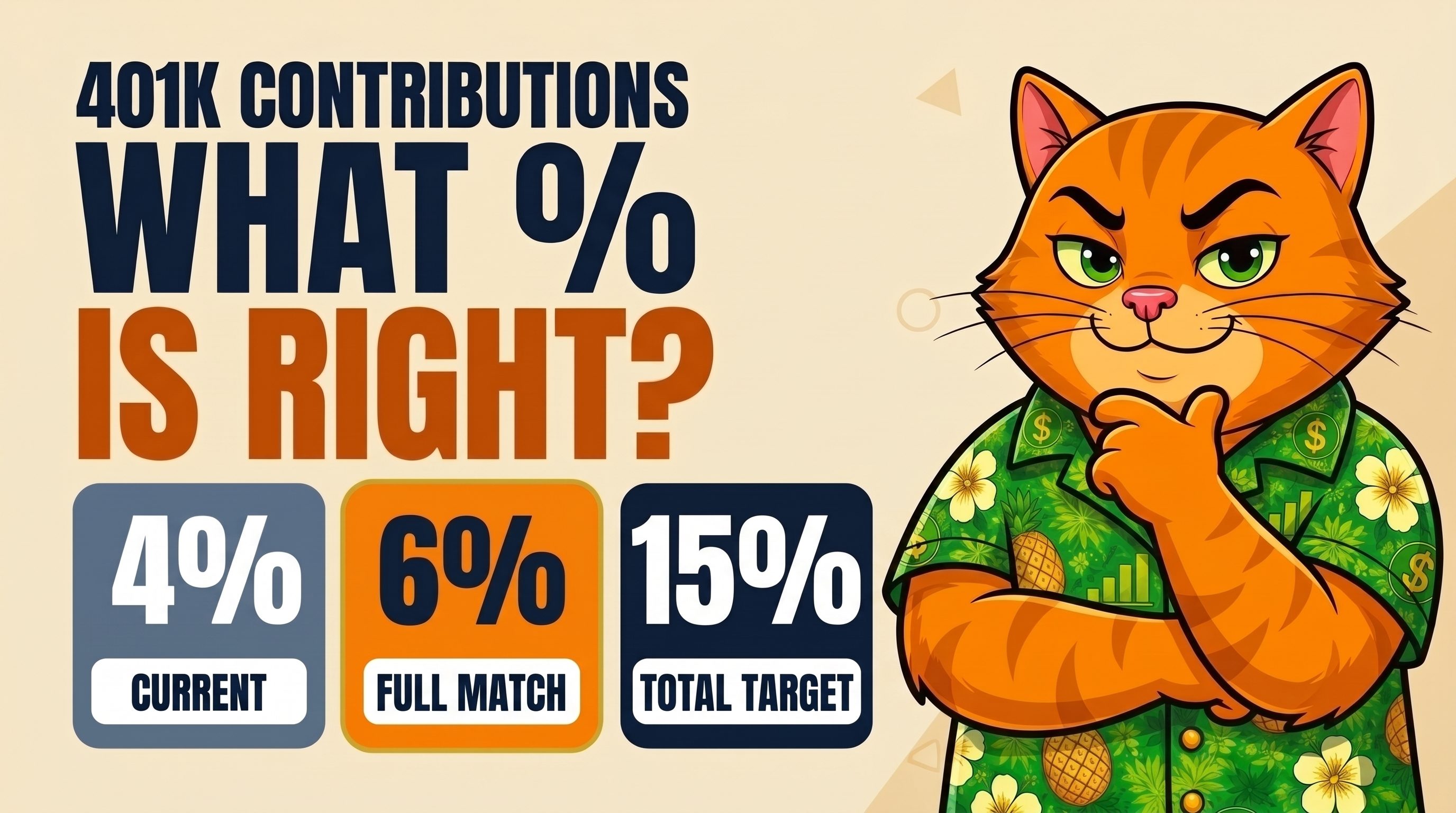
How Much Should You Contribute to Your 401(k)?
How much should you contribute to your 401(k)? Start with your employer match, build toward 15% if it fits your goals, and adjust for your timeline.
How Many Car Payments Can You Miss Before Repo?
How many car payments can you miss before repo? There's no universal number. Your contract, your state and your lender decide. Here's what to check first.
Credit Union vs Bank: What Differs and How to Choose
Credit union vs bank: compare ownership, eligibility, insurance, rates, fees and access using NCUA data and five practical checks before choosing.
Net Worth by Age: The 2025 Fed Numbers, Explained
Net worth by age using the Fed's 2025 survey: median and average for six age groups, what counts, and how to make the numbers useful for your own finances.

What Is FDIC Insurance? How the $250,000 Limit Works
What is FDIC insurance? It covers deposits, not investments, up to $250,000 per depositor, per bank, per category. Here is the rule, counted out with examples.
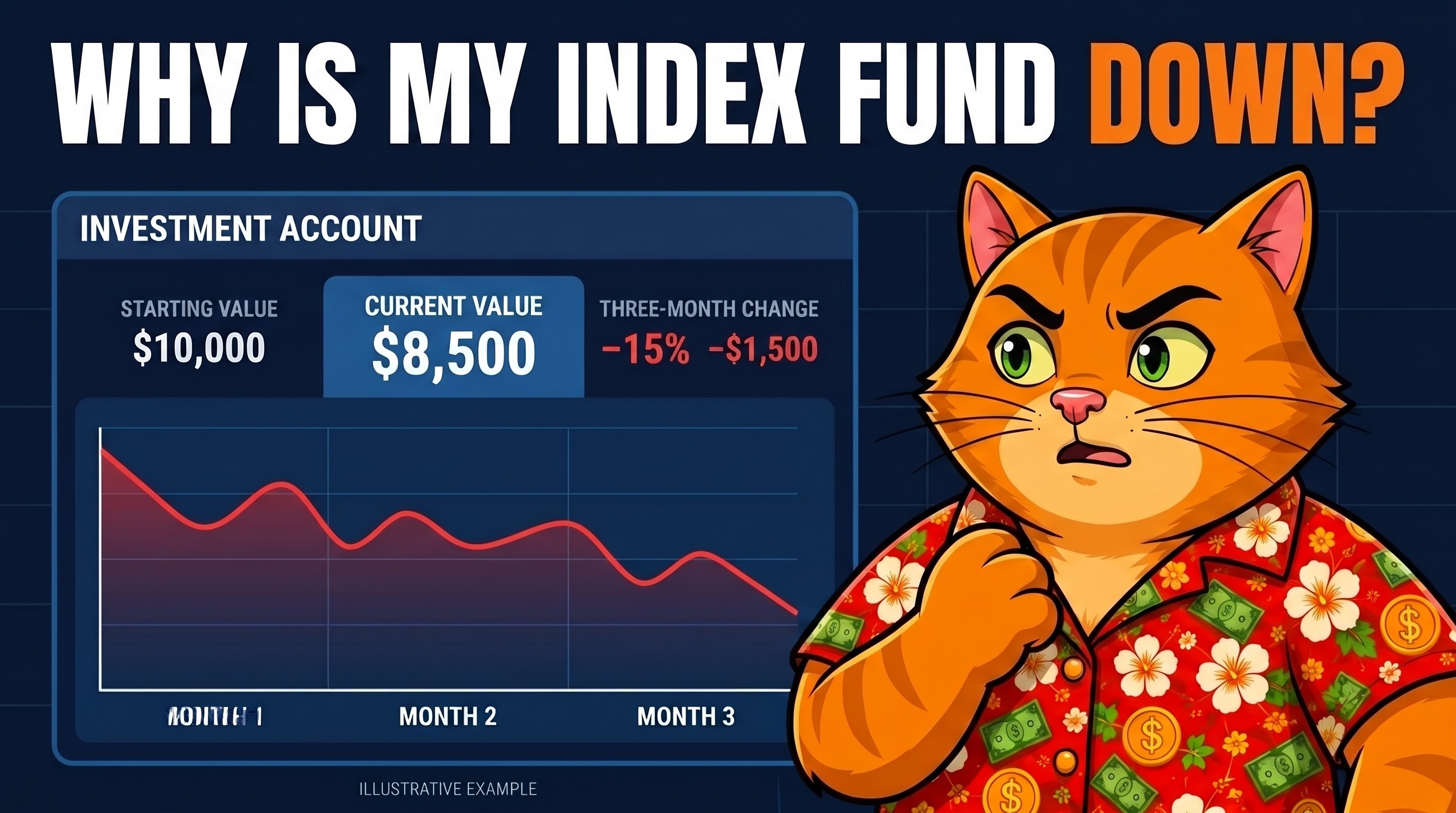
Can You Lose Money in an Index Fund? The Honest Answer
Can you lose money in an index fund? Yes. Here is why it happens, how far past drops went, and the math on how big a gain it takes to get back to even.

Is a 0% APR Credit Card Worth It? The 3-Number Test
Is a 0% APR credit card worth it? Chuck runs the 3-Number Test with Maya's $5,000 balance transfer and Jerry's $15,000 wedding catering bill.

Is Buy Now, Pay Later Bad? The Real Problem Is the Stack
Is buy now, pay later bad? On its own, a typical pay-in-four plan is interest-free. The trouble starts when the plans stack up and nothing adds them up for you.

How Many Index Funds Should You Own? More Isn't Always Better
How many index funds should you own? There's no magic number. What matters is what your funds actually hold, and whether another one adds anything new.

Should I Max My 401(k) or Roth IRA First?
Should I max my 401(k) or Roth IRA first? After the match, Jenny's $85,000 and $150,000 versions show why the answer depends on your situation, not a rule.
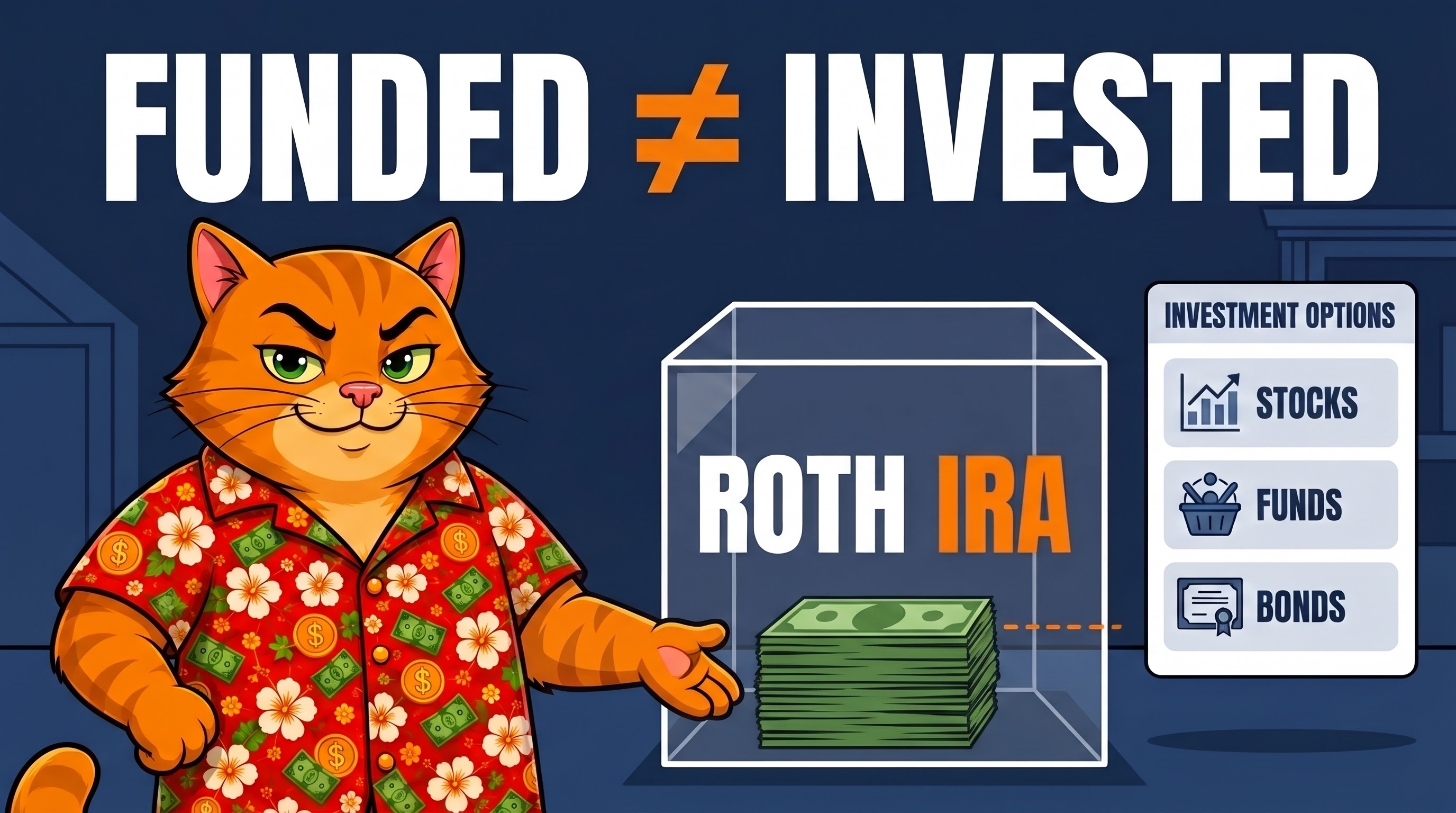
Is My Roth IRA Invested? How to Check What's Inside
Is my Roth IRA invested? A deposit can sit in cash even when the balance looks right. Here's how to check your holdings and what to look for.
Who Pays for Credit Card Rewards? Not Just the Bank
Who pays for credit card rewards? Follow the merchant fees behind cash back, then see why Penny keeps her rewards while Rufus loses ground to interest.

Is My Savings Account Beating Inflation? A 3-Line Test
Is my savings account beating inflation? Chuck's 3-line test shows whether your savings rate keeps up with rising prices, with the real math on $10,000.

Is the Atmos Rewards Ascent Card Worth It? The $95 Test
Is the Atmos Rewards Ascent card worth it? Chuck tests the $95 fee against one checked bag, then shows who comes out ahead and who should skip the card.
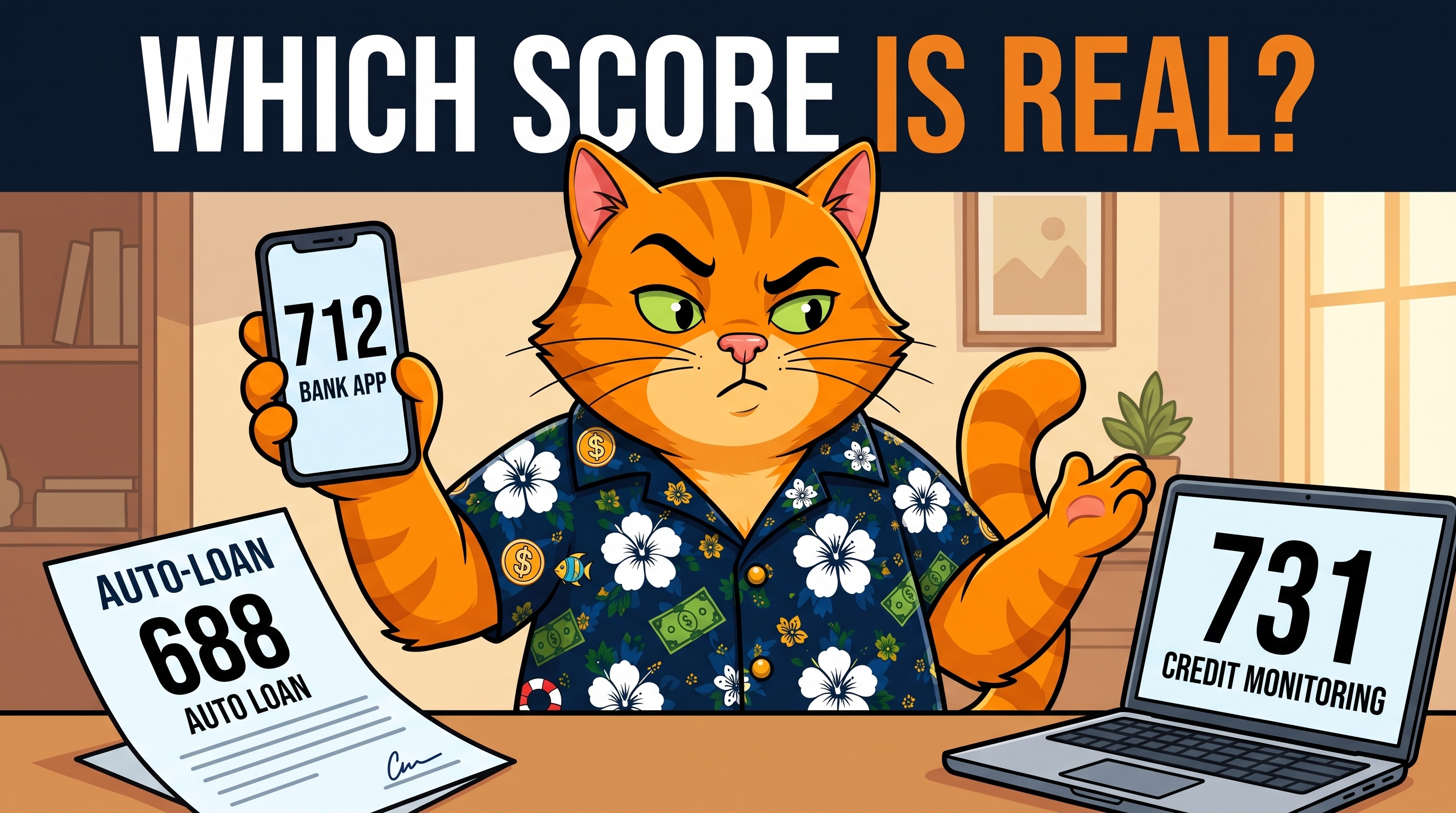
Why Do I Have 3 Different Credit Scores? What Each Number Means
Why do I have 3 different credit scores? See how bureaus, models, versions, and dates change your number, and what to check before you apply for a loan.
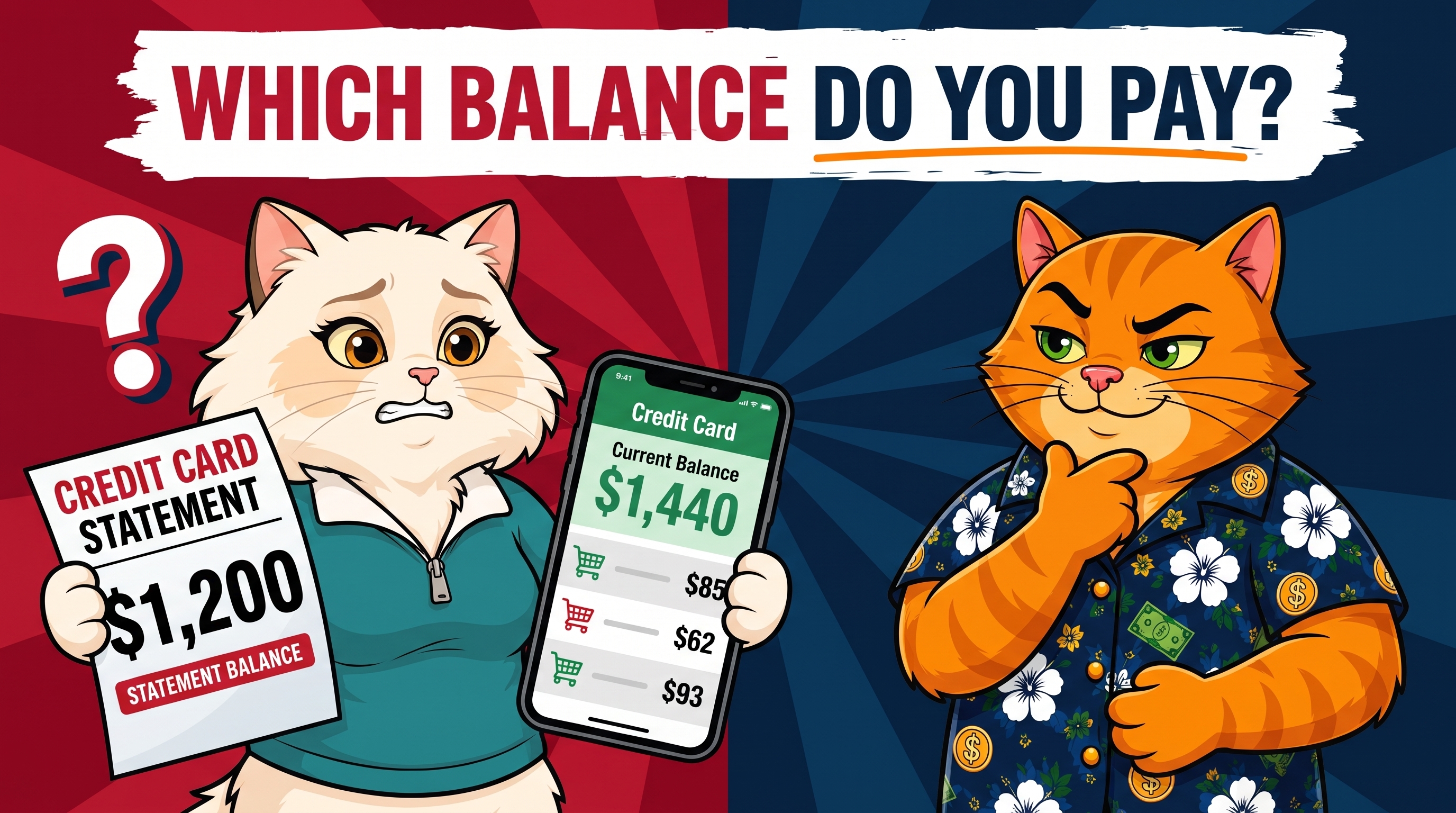
Statement Balance vs. Current Balance: Which to Pay?
Statement balance vs current balance: which should you pay? Gina's $1,200 bill and $1,440 tab explain grace periods, interest, and credit utilization.
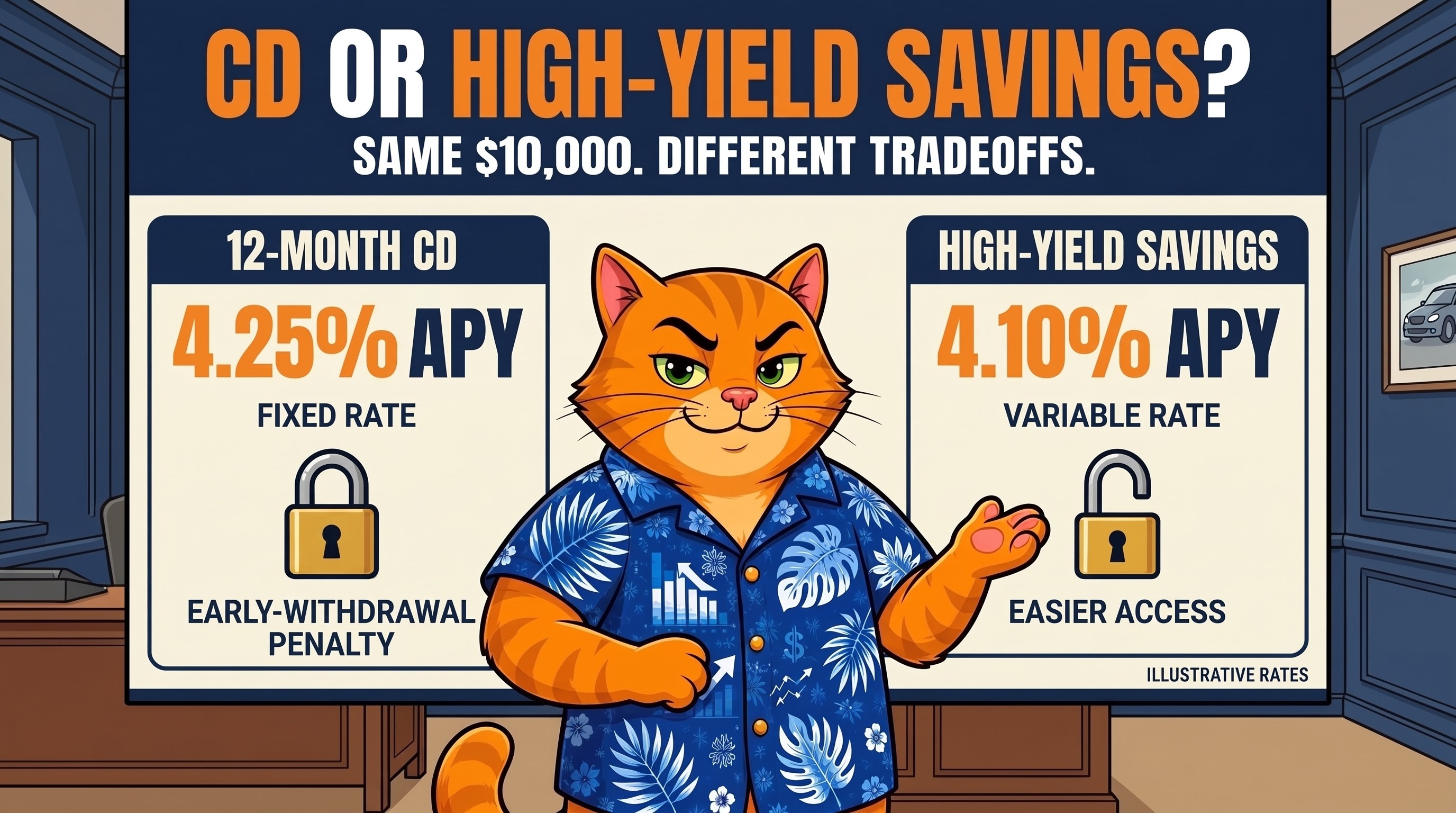
CD vs High Yield Savings Account: Which Fits $10,000?
CD vs high yield savings account: compare rates, withdrawal penalties, and access using $10,000 to decide which account fits when you'll need your money.
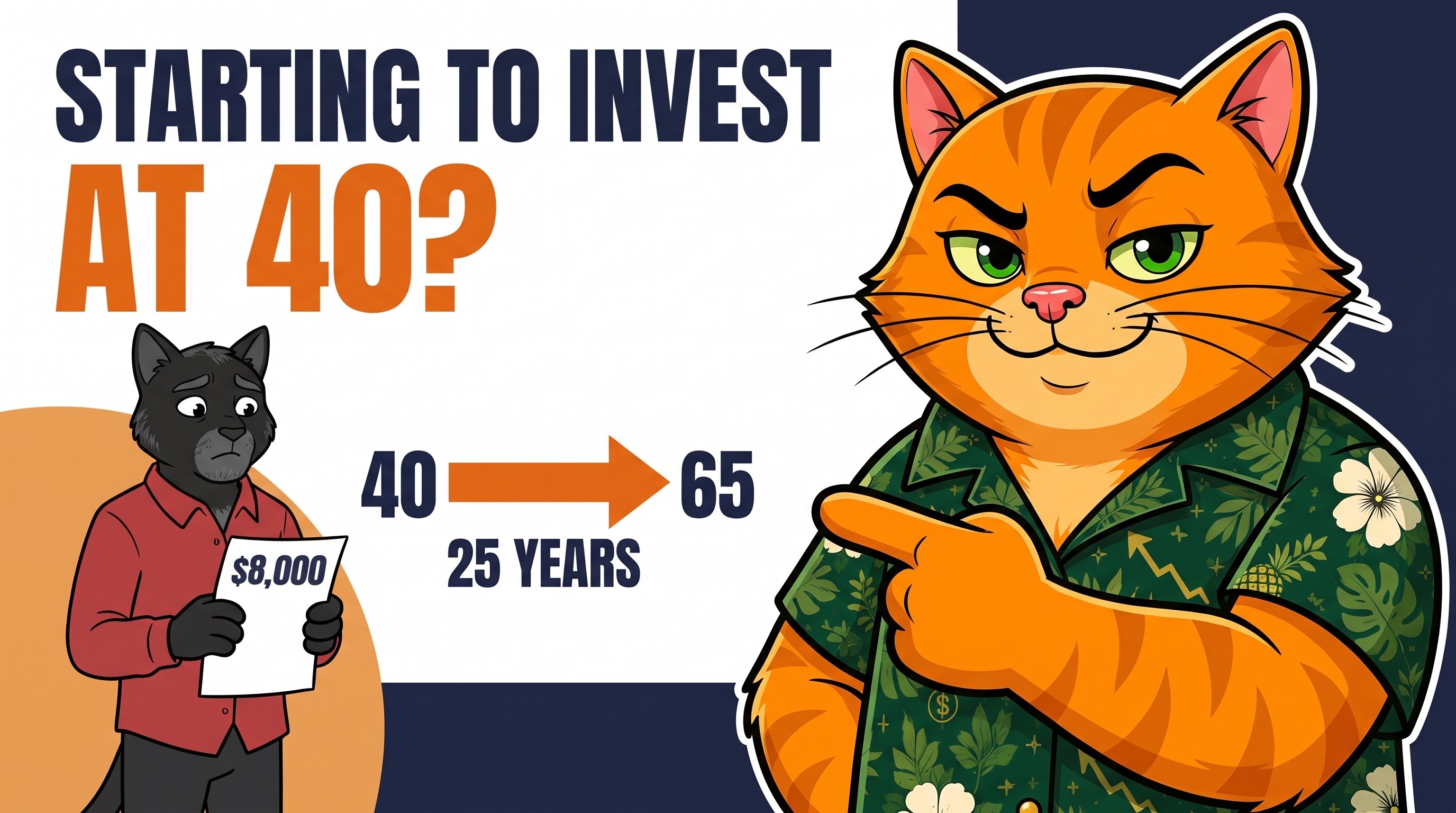
Is It Too Late to Start Investing at 40?
Is it too late to start investing at 40? See what $8,000 plus monthly contributions could produce by 65 using clearly labeled illustrative returns.
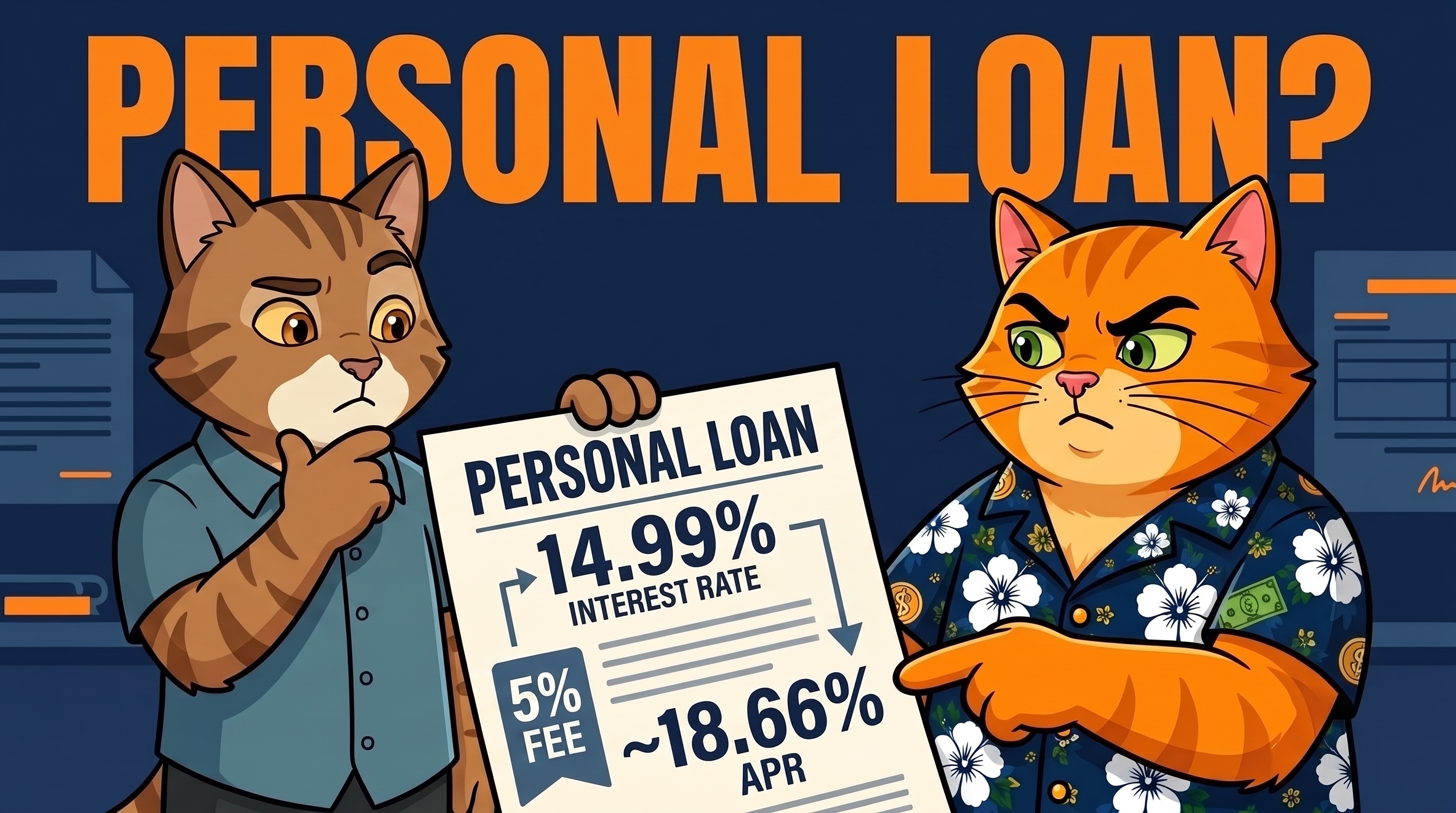
What Is a Personal Loan? How It Works and What It Actually Costs
What is a personal loan? Learn how the loan works, what APR and origination fees really cost, and how to decide whether an offer makes sense.
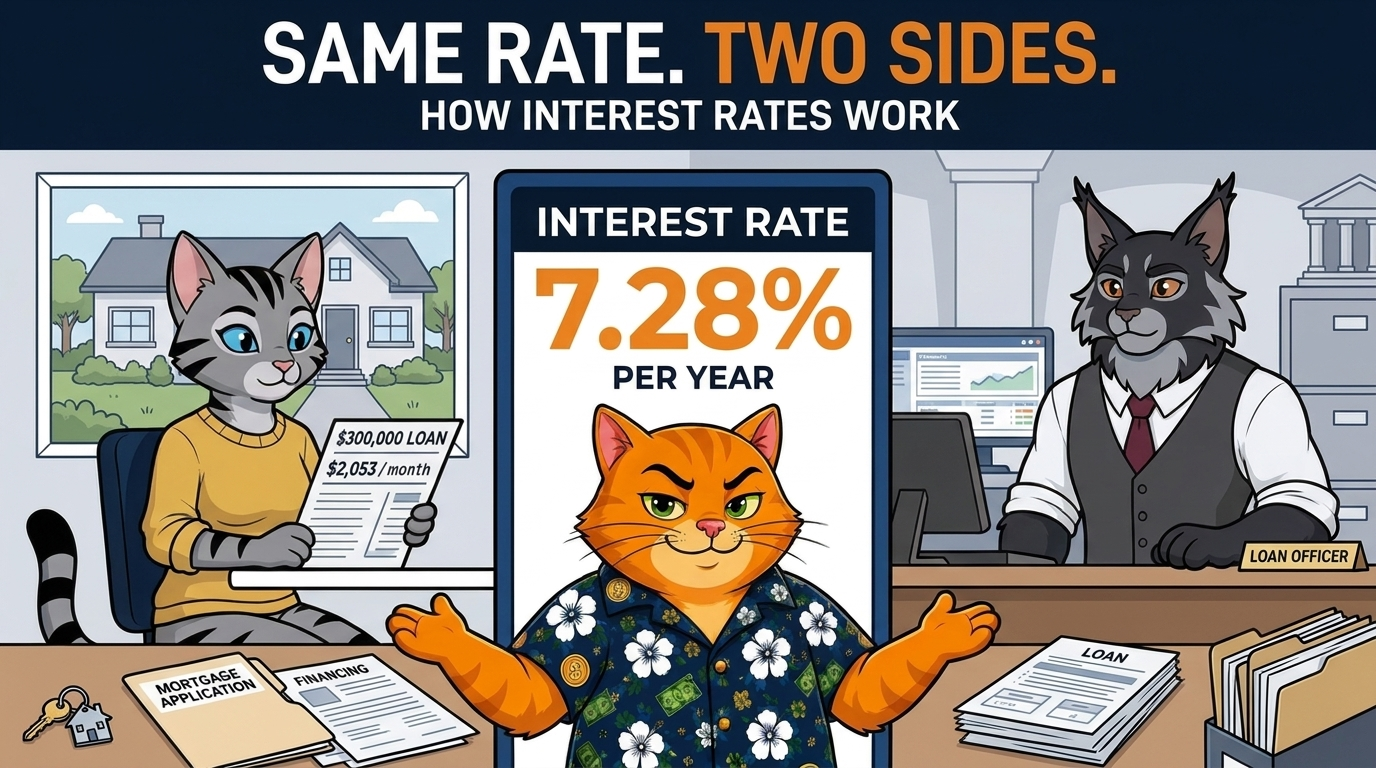
How Do Interest Rates Work? Same Number, Two Sides
How do interest rates work? One rate is a bill for the borrower and income for the bank. Chuck runs the math on a $300,000 mortgage and a savings account.
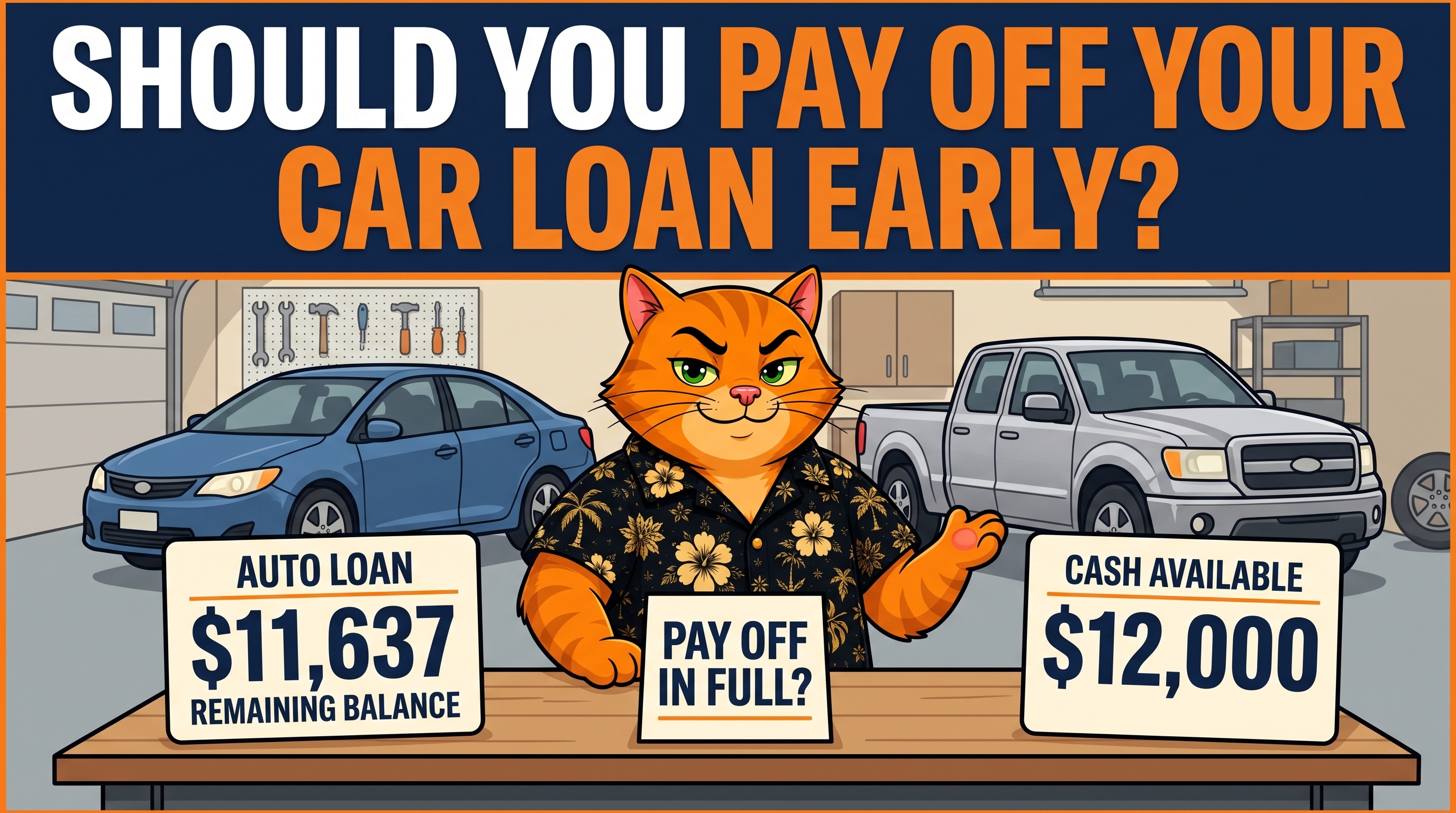
Should I Pay Off My Car Loan Early?
Should I pay off my car loan early? See what early payoff actually saves, what it costs in available cash, and how to make the decision.
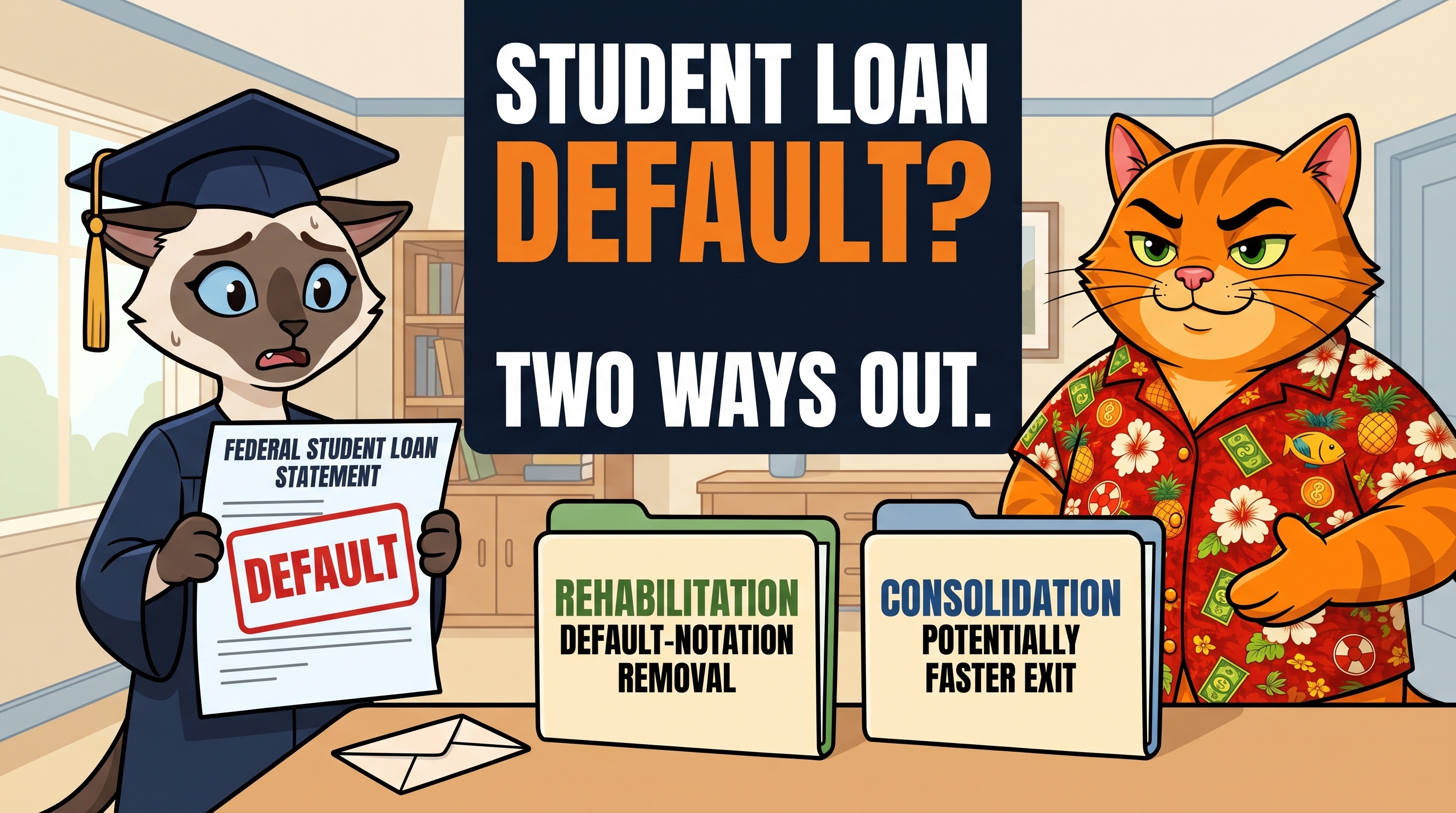
Already in Student Loan Default? Rehabilitation vs. Consolidation, Compared
Already in student loan default? See what rehabilitation and consolidation each fix, and how your goal, deadline, and payment decide which one to check into.
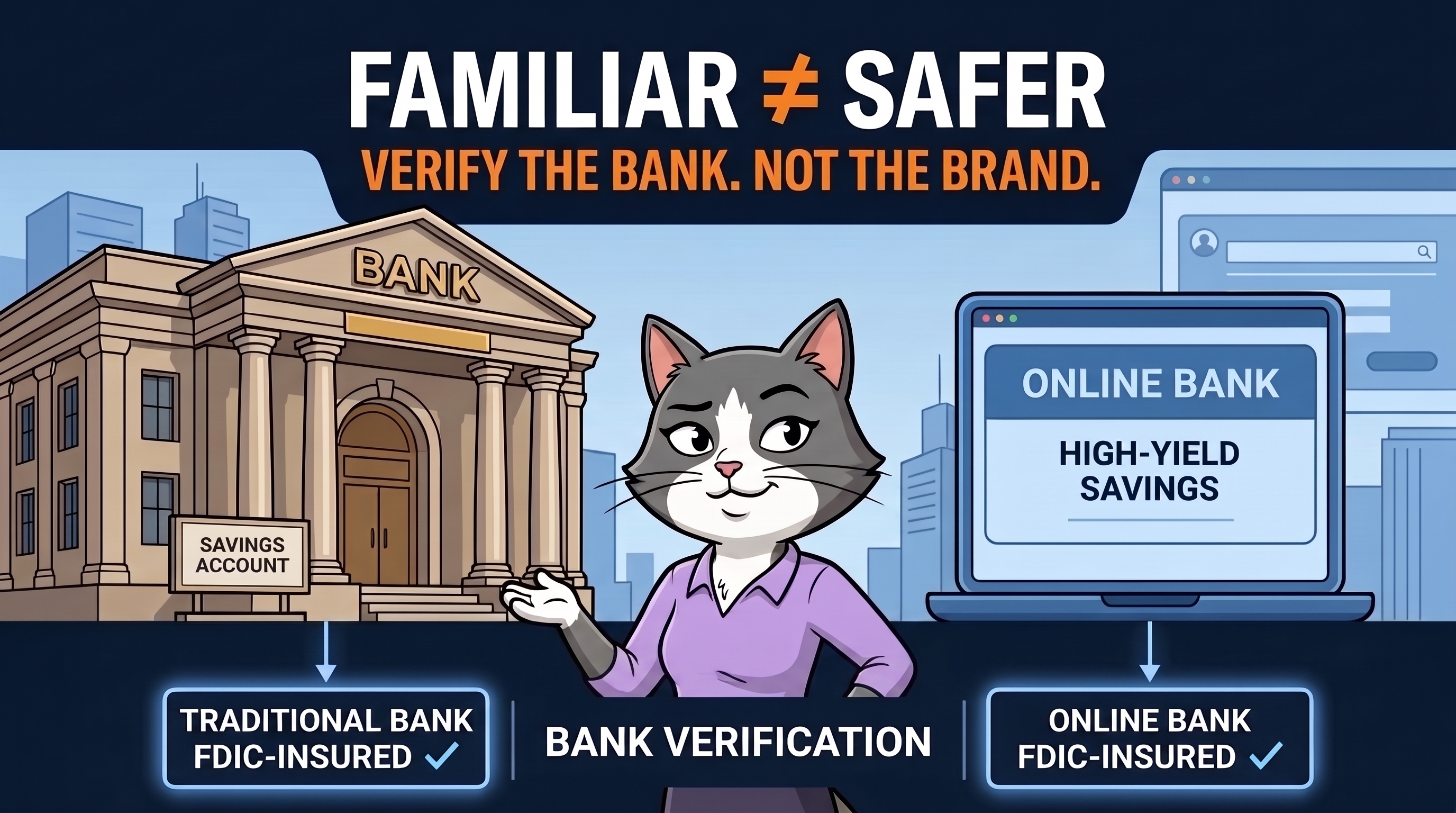
Are High-Yield Savings Accounts Safe?
Are high-yield savings accounts safe? Yes, if the bank is FDIC-insured. Here's how to verify it, and why an unfamiliar bank paying more isn't a red flag.
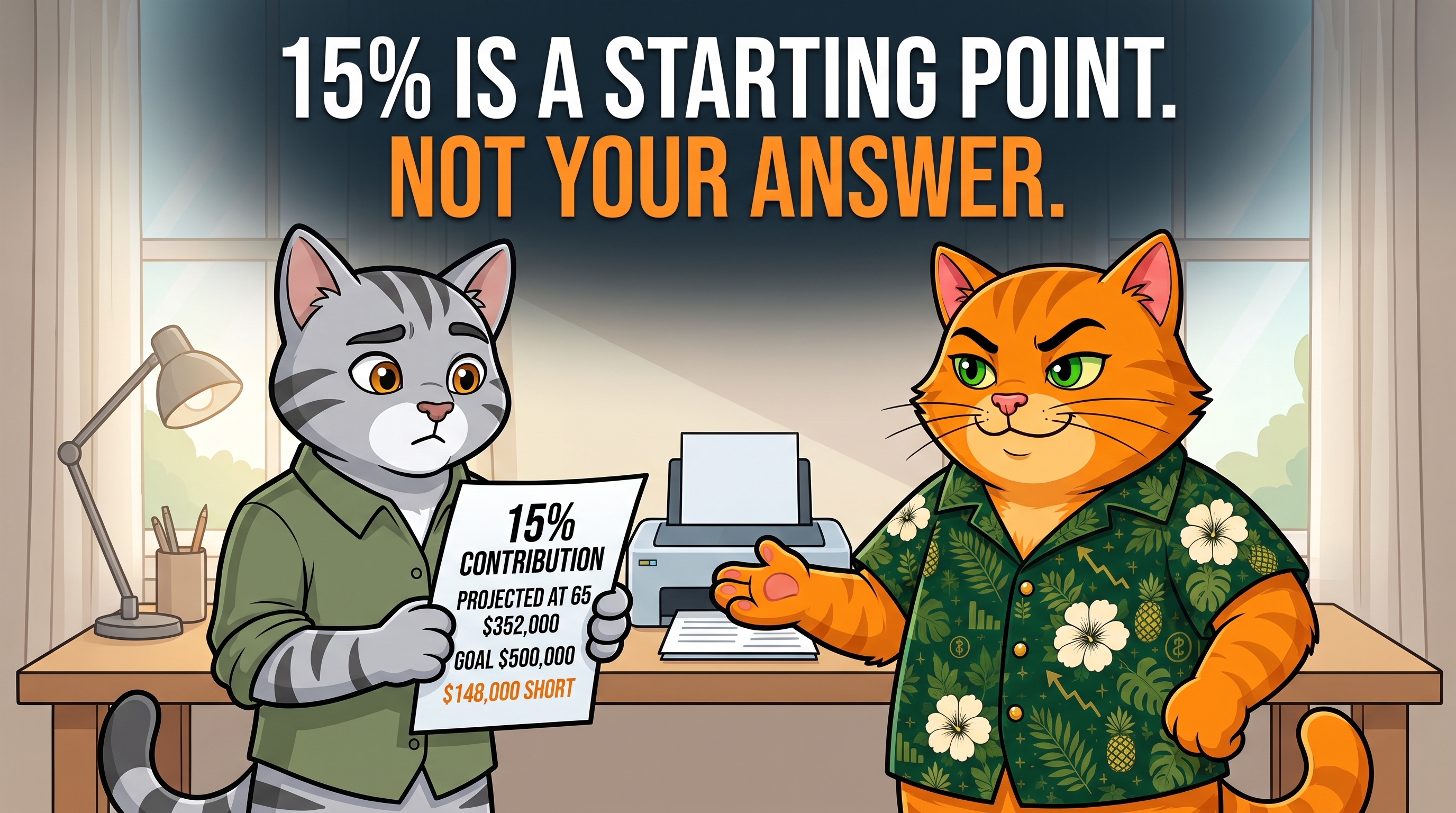
How Much Should I Invest Per Month? The Four-Number Answer
How much should I invest per month? Not a flat 10% or 15% — your goal, timeline, balance, and return set the real number. Here's how to calculate it.

What Is Coast FIRE? (And Has Your Retirement Crossed the Threshold?)
What is Coast FIRE? Chuck runs one saver's real numbers and shows why 'have I saved enough already' depends on an assumption you can't actually know.

Why Was I Charged Interest After Paying Off My Credit Card?
Paid off your credit card but still got charged interest? See how cash advances, grace periods, and residual interest can make another interest charge appear.
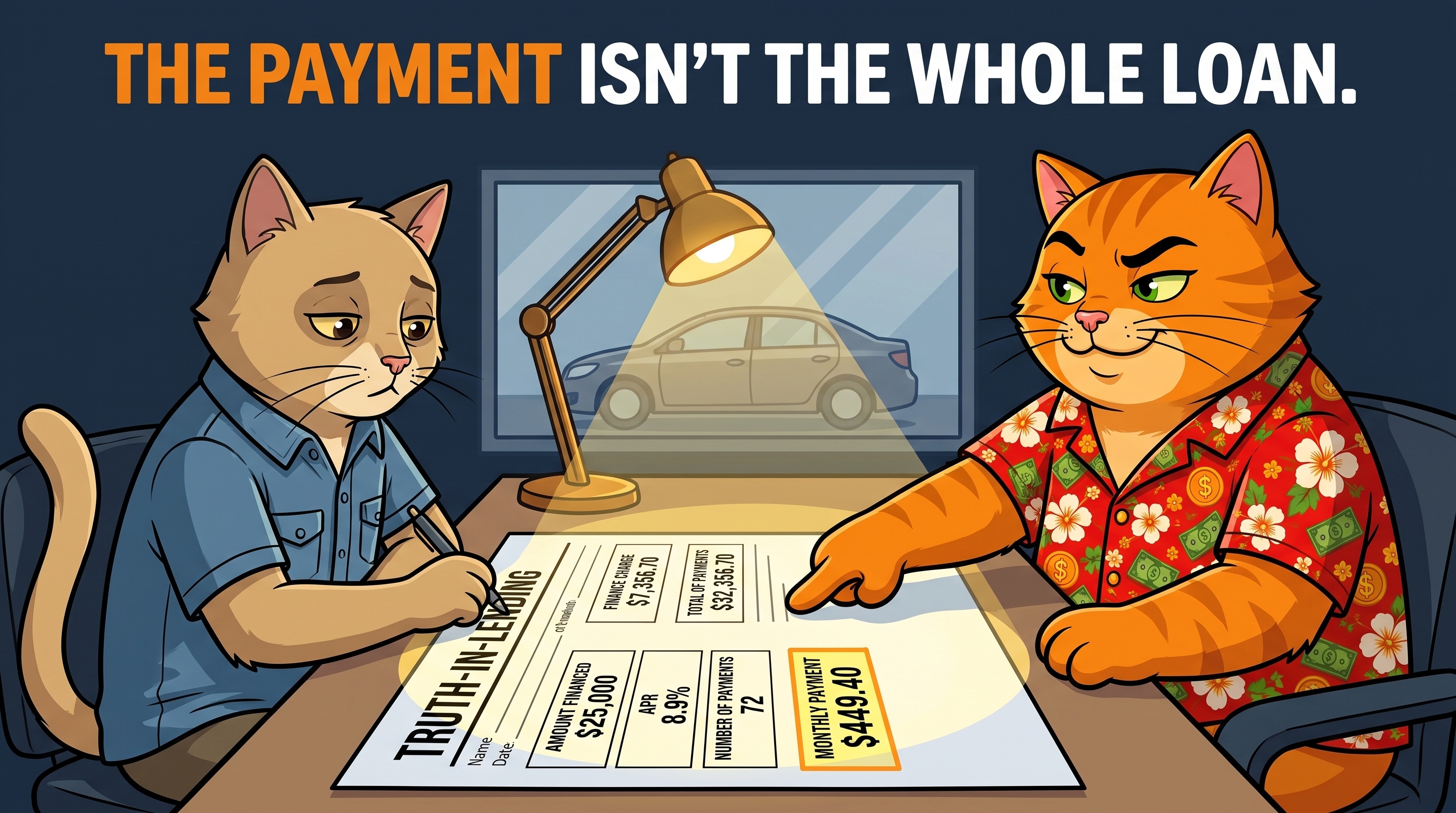
How Do Auto Loans Work? (And What Your Monthly Payment Doesn't Tell You)
How do auto loans work? Learn the five numbers worth comparing before you sign — and what a lower monthly payment can actually cost.
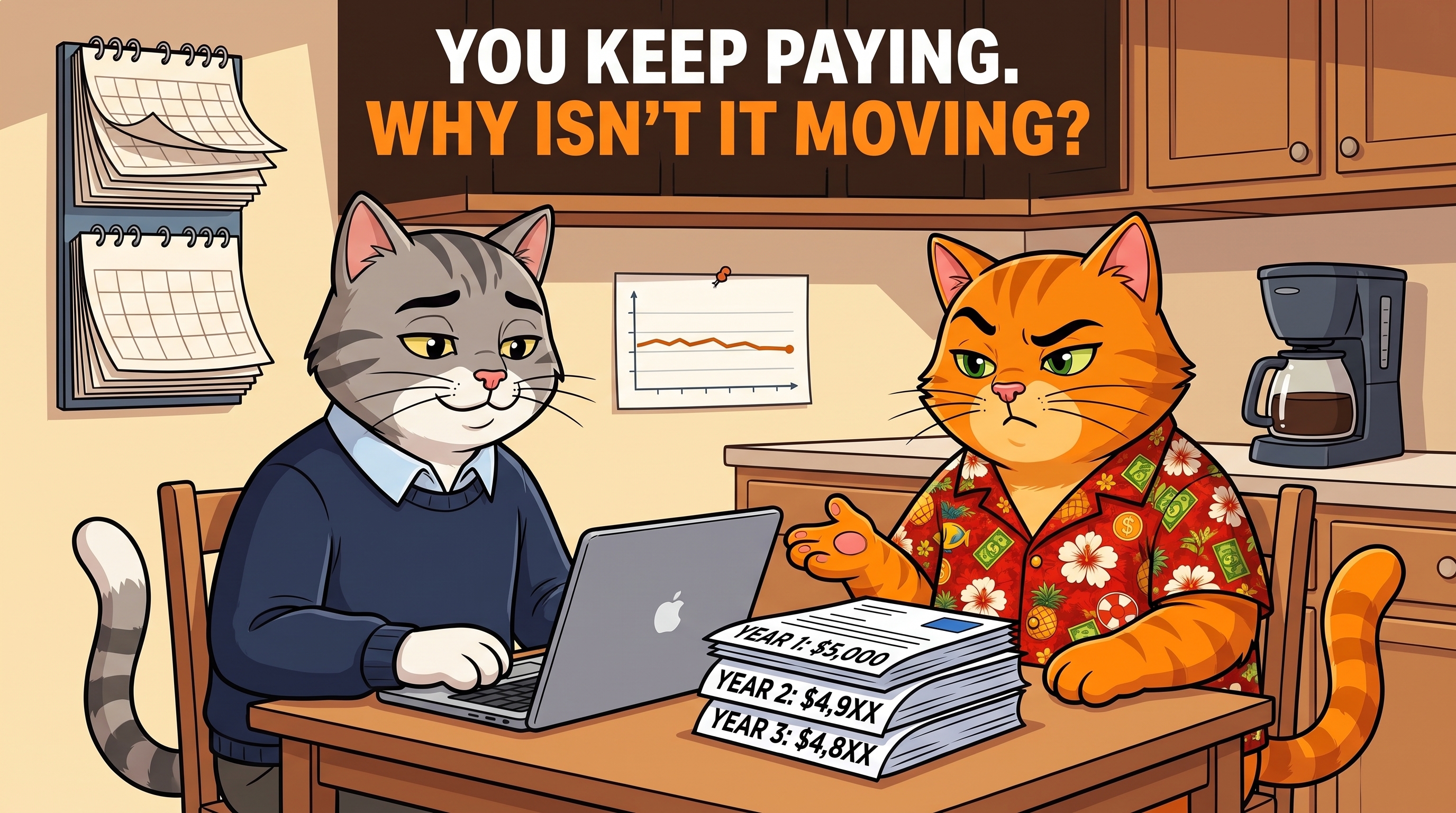
How to Pay Off Credit Card Debt (You're Doing It Wrong)
How to pay off credit card debt when paying every month isn't working. Three moves — a fixed payment, a lower rate, and an order — with the math.
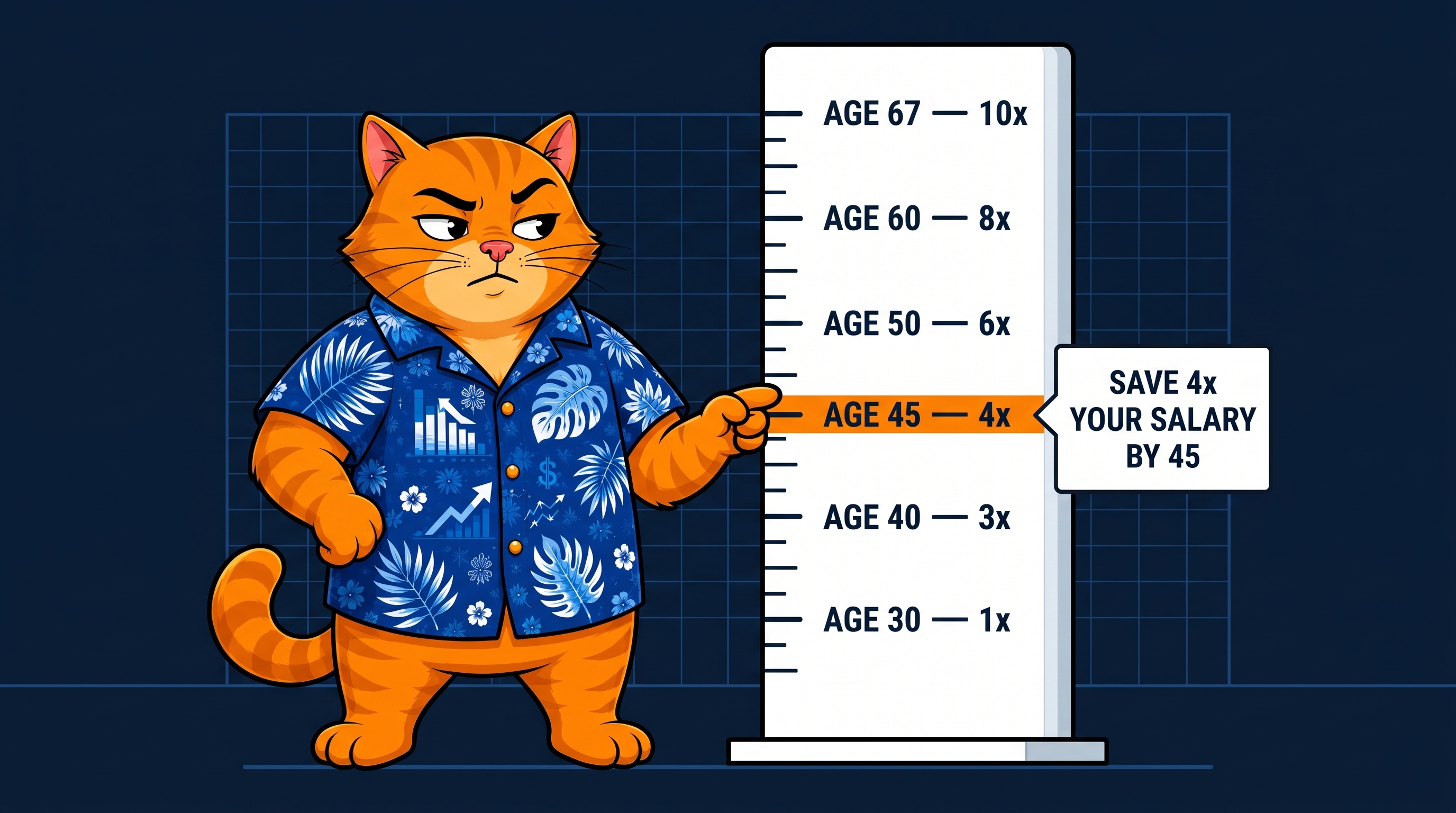
How Much You Should Have Saved for Retirement by Age
Retirement savings by age charts come from a model with big assumptions — 1x your salary by 30, up to 10x by 67. Here's what they assume and your real number.
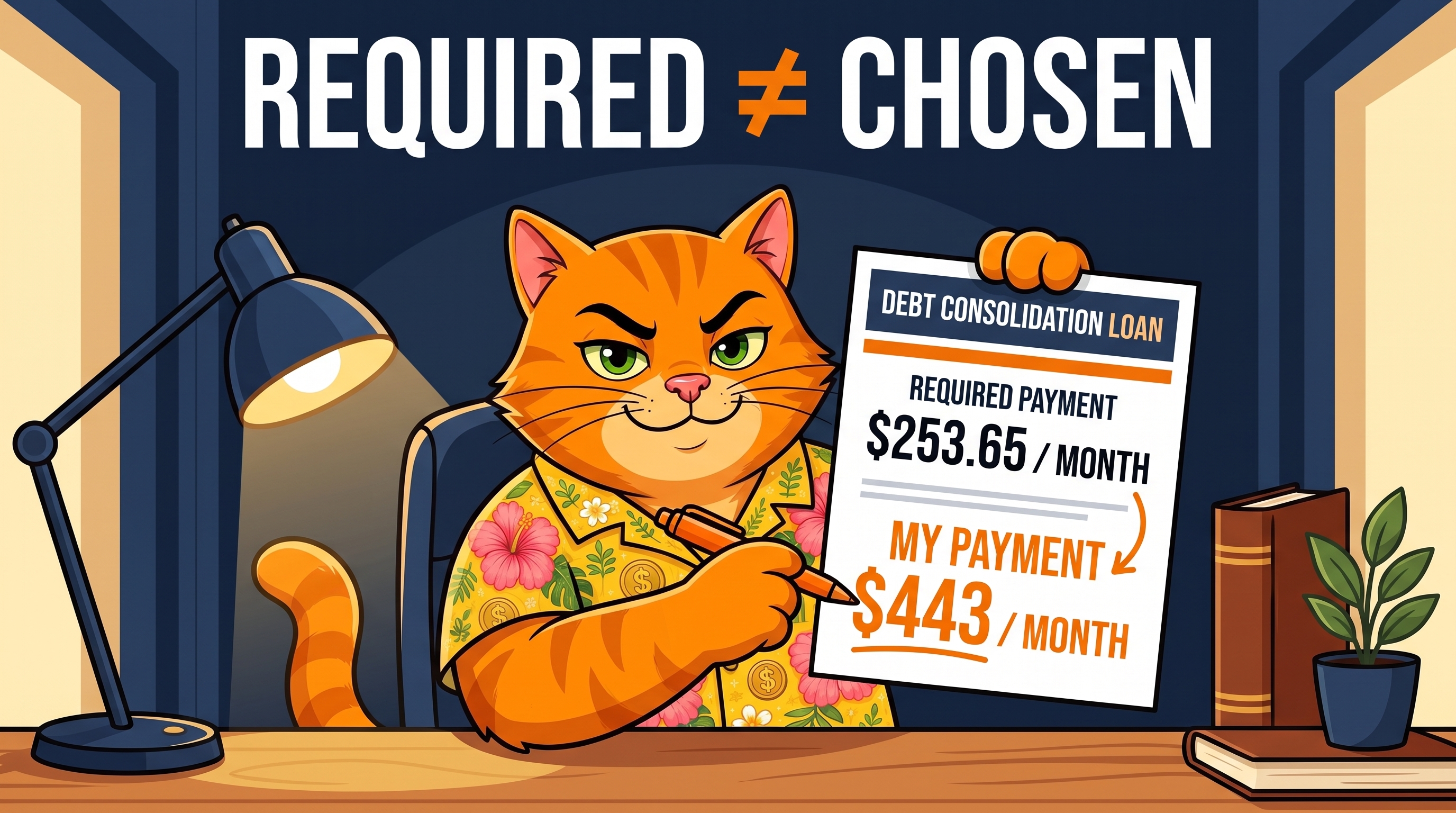
What Is Debt Consolidation? (And When Does It Actually Help?)
What is debt consolidation, and when does it help? Chuck runs one borrower's real numbers and finds something most consolidation articles miss.
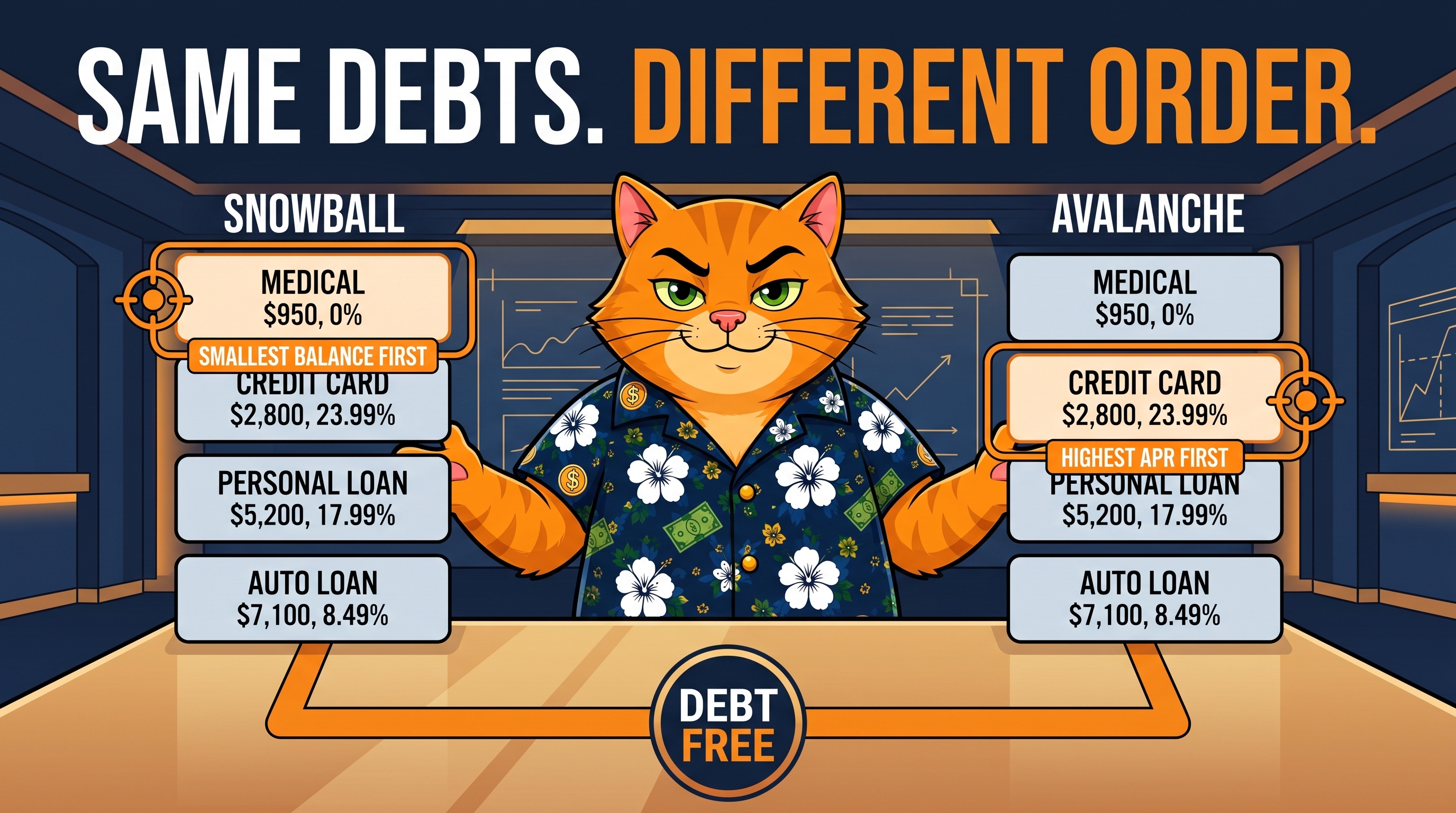
Debt Snowball vs. Debt Avalanche: Which Should You Use?
Debt snowball vs. debt avalanche — Chuck runs one borrower's real numbers through both methods and shows exactly what the faster win actually costs.
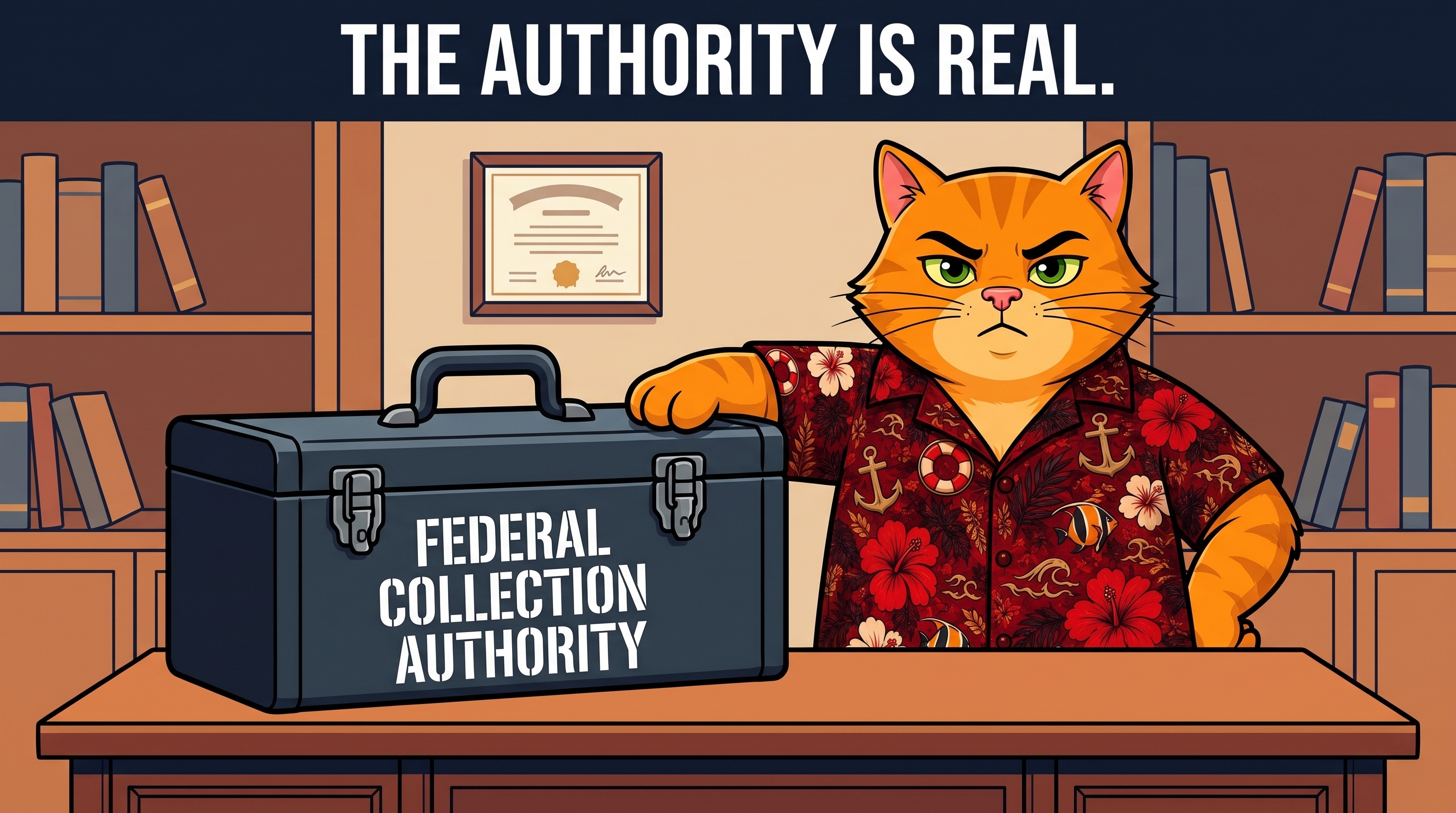
What Happens If You Default on a Student Loan?
What happens if you default on a student loan? Chuck breaks down the 270-day timeline and the collection powers the government has that others don't.

How Much Should Your Emergency Fund Be? It Depends on Two Things
How much should your emergency fund be? Not a flat 3 to 6 months. It depends on how long your income could stop and what your household must cover.
What Is Compound Interest?
What is compound interest? Chuck models the exact point where annual growth overtakes annual contributions — and shows what changes between Year 5 and Year 20.
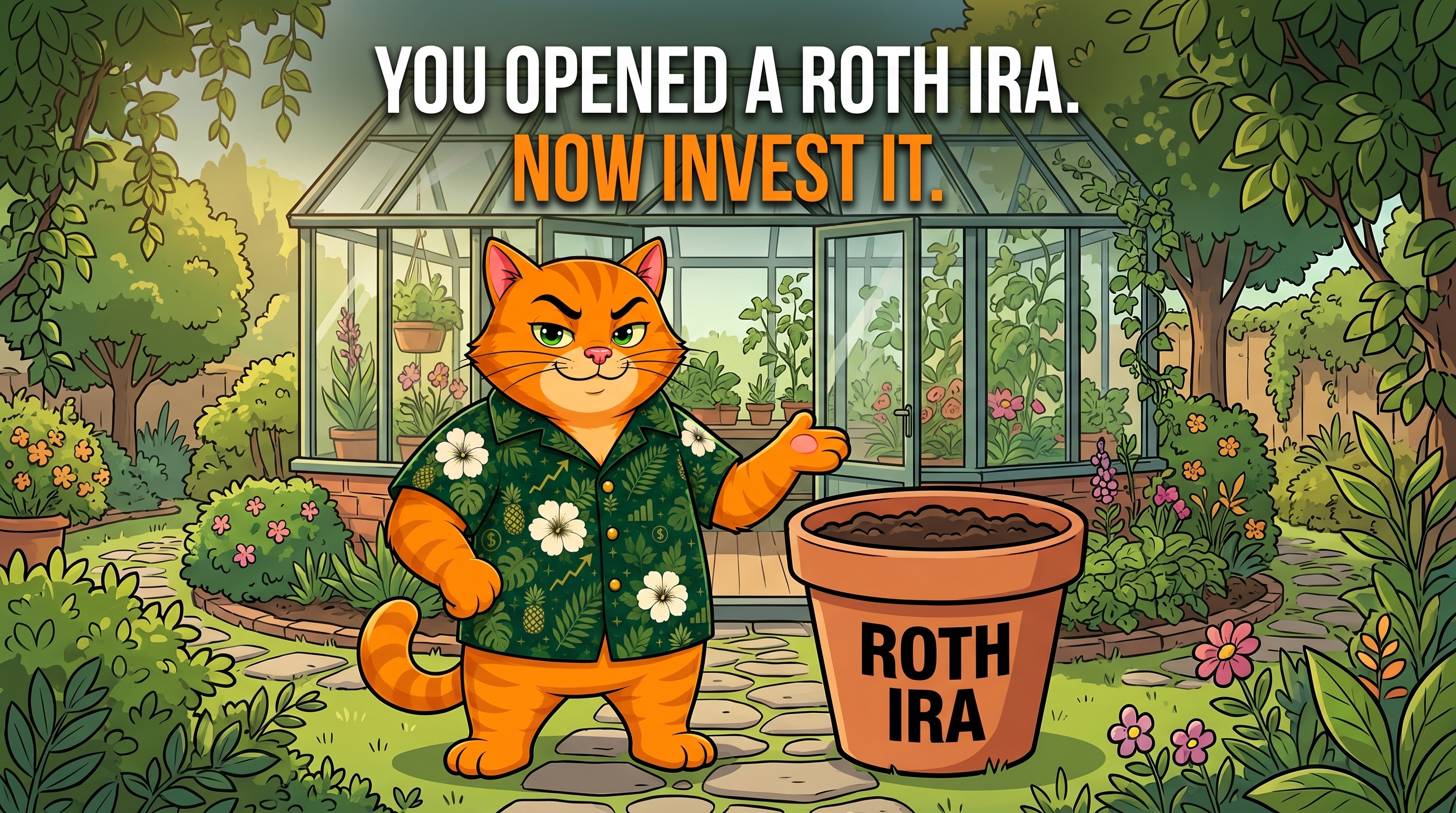
What Is a Roth IRA?
What is a Roth IRA? Chuck explains the container vs. investment distinction most explanations skip — plus 2026 limits, income rules, and withdrawal basics.
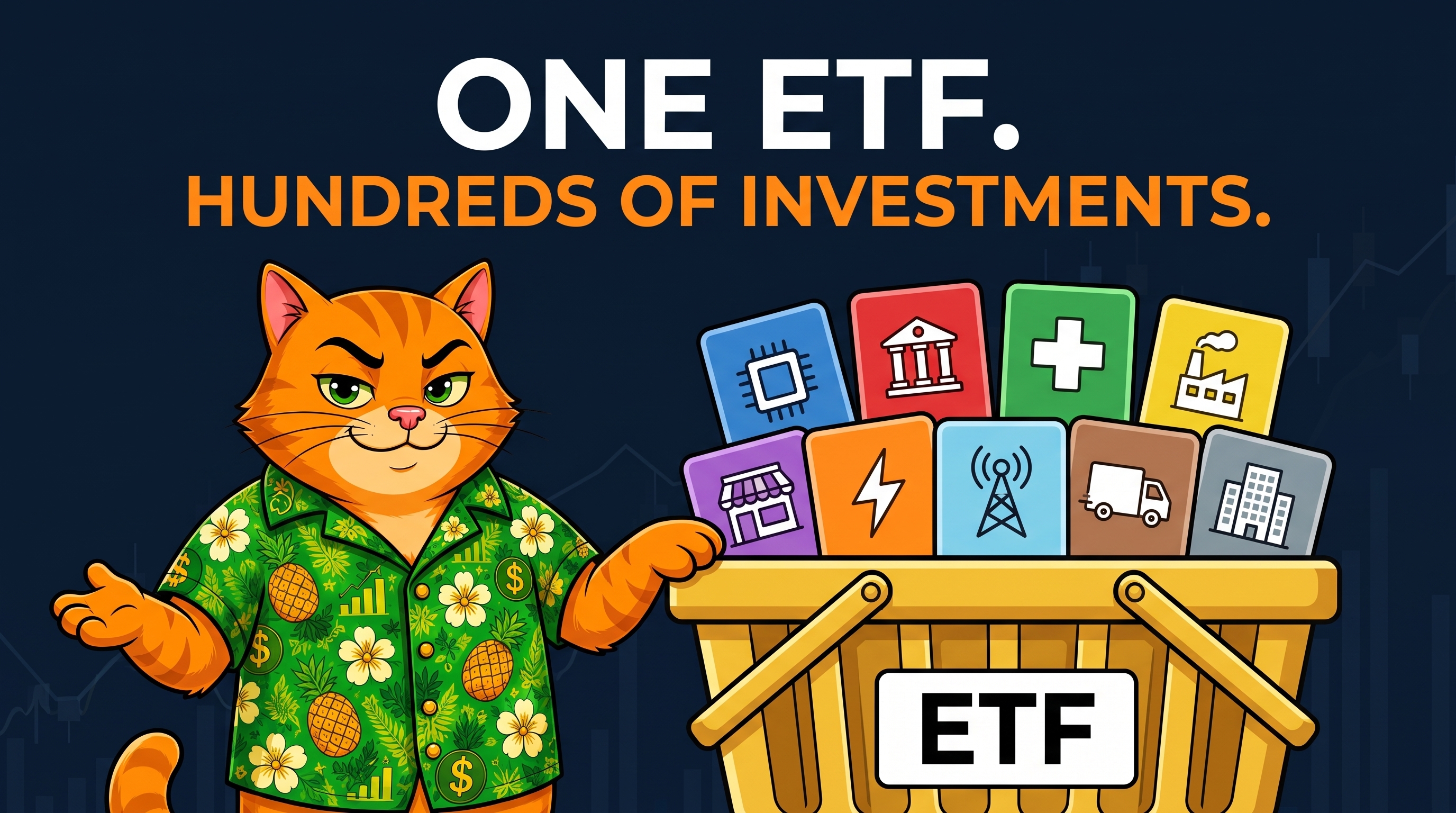
What Is an ETF, Actually?
An ETF is a basket of investments you can buy like a single stock. Chuck breaks down what's actually inside one, and the one thing beginners get wrong.

Is a High-Yield Savings Account Still Worth It?
Is a HYSA still worth it? Rates have fallen from their highs. Here's the real math on what your money earns right now, so the numbers answer the question.

How Does Credit Card Interest Work?
How does credit card interest work? See how a $3,000 balance and 20% APR become the real dollar cost of carrying it — the actual math, step by step.
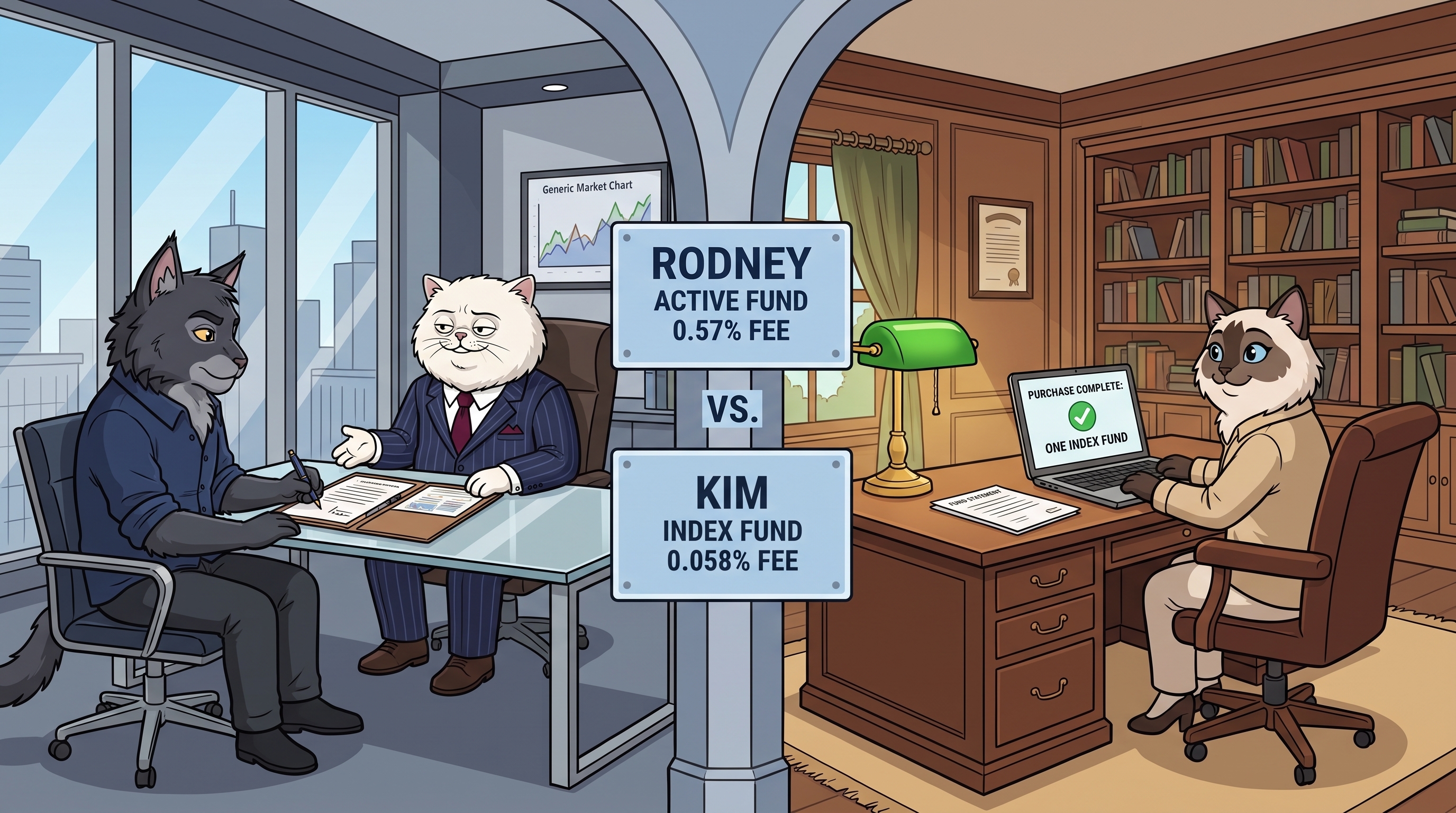
What Is an Index Fund? The Boring Investment That Beats Most Professionals
What is an index fund, and why does it keep beating professional stock pickers? Chuck breaks down the real math behind the boring investment that wins.
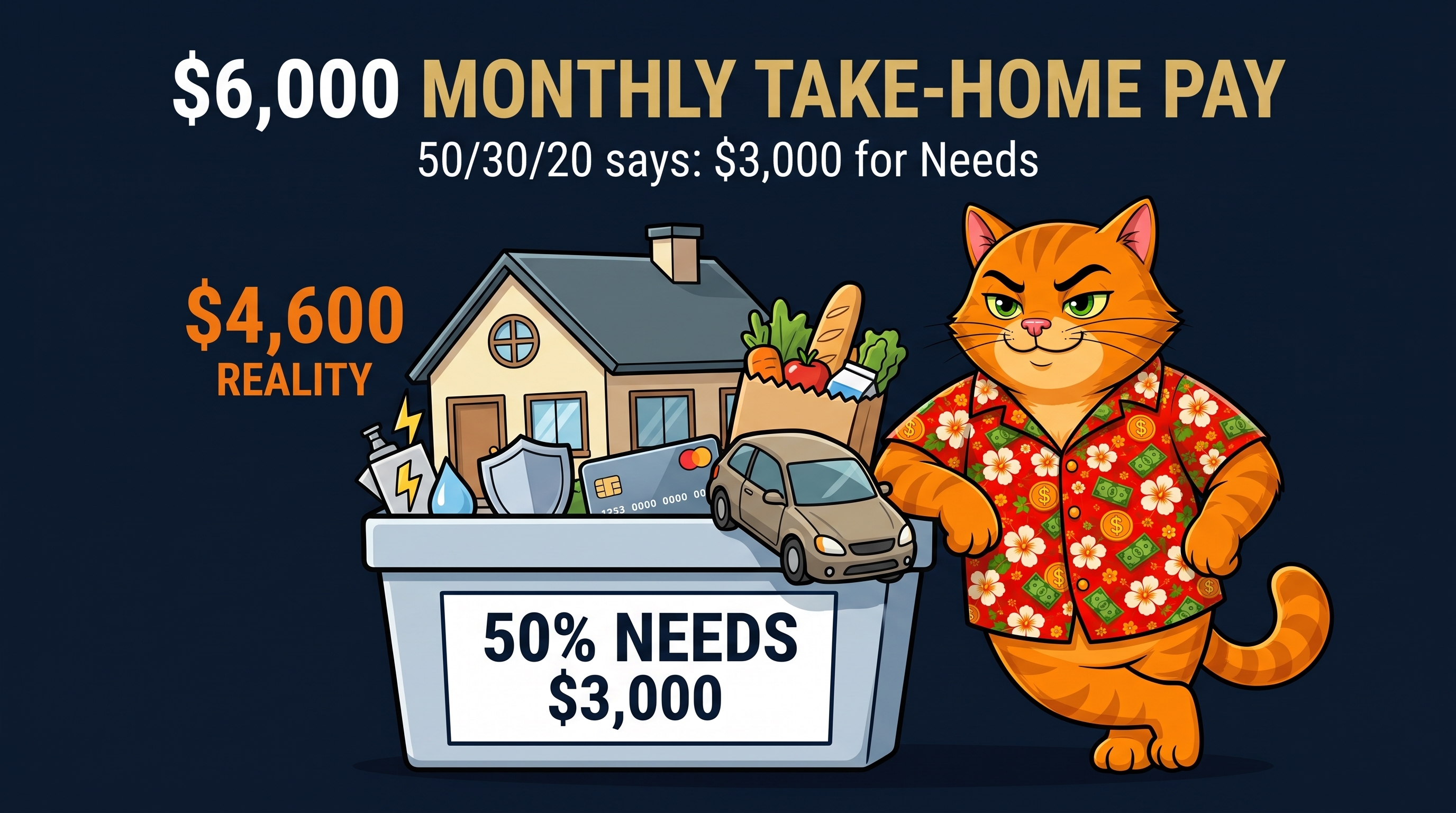
Your Budget Isn't Broken. The 50/30/20 Rule Is.
The 50/30/20 budget rule keeps "failing" people who follow it exactly. Here's the real math — and the Required, Future, Flexible fix that actually works.

The Minimum Payment Trap Nobody Warns You About
What happens if you only pay the minimum on your credit card? It keeps you current — but it can trap you in debt for years. Here's the real math on it.
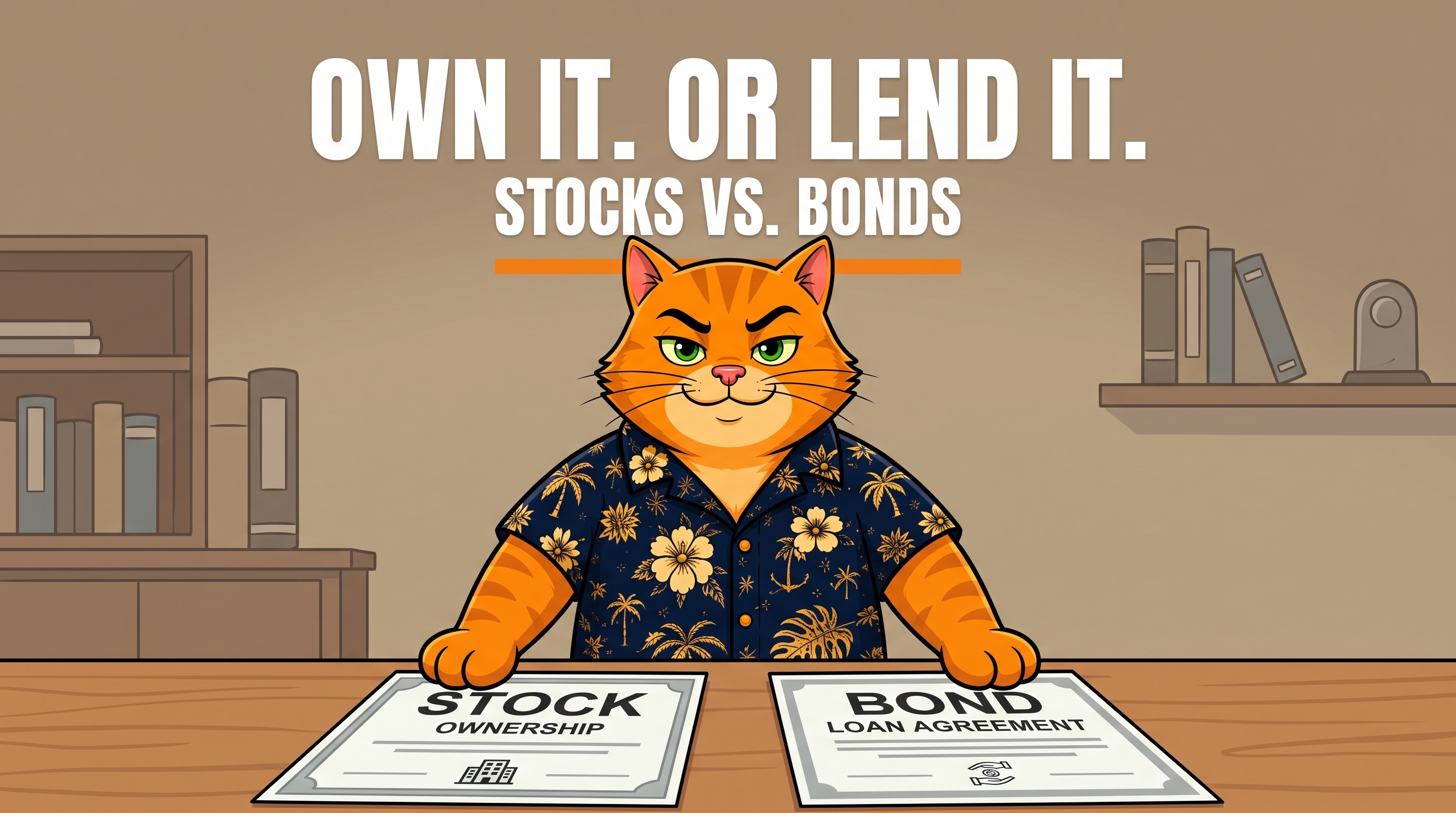
Owning vs. Lending: The Actual Difference Between Stocks and Bonds
A stock makes you an owner. A bond makes you a lender. Here's how that one distinction drives risk, return, and portfolio strategy.
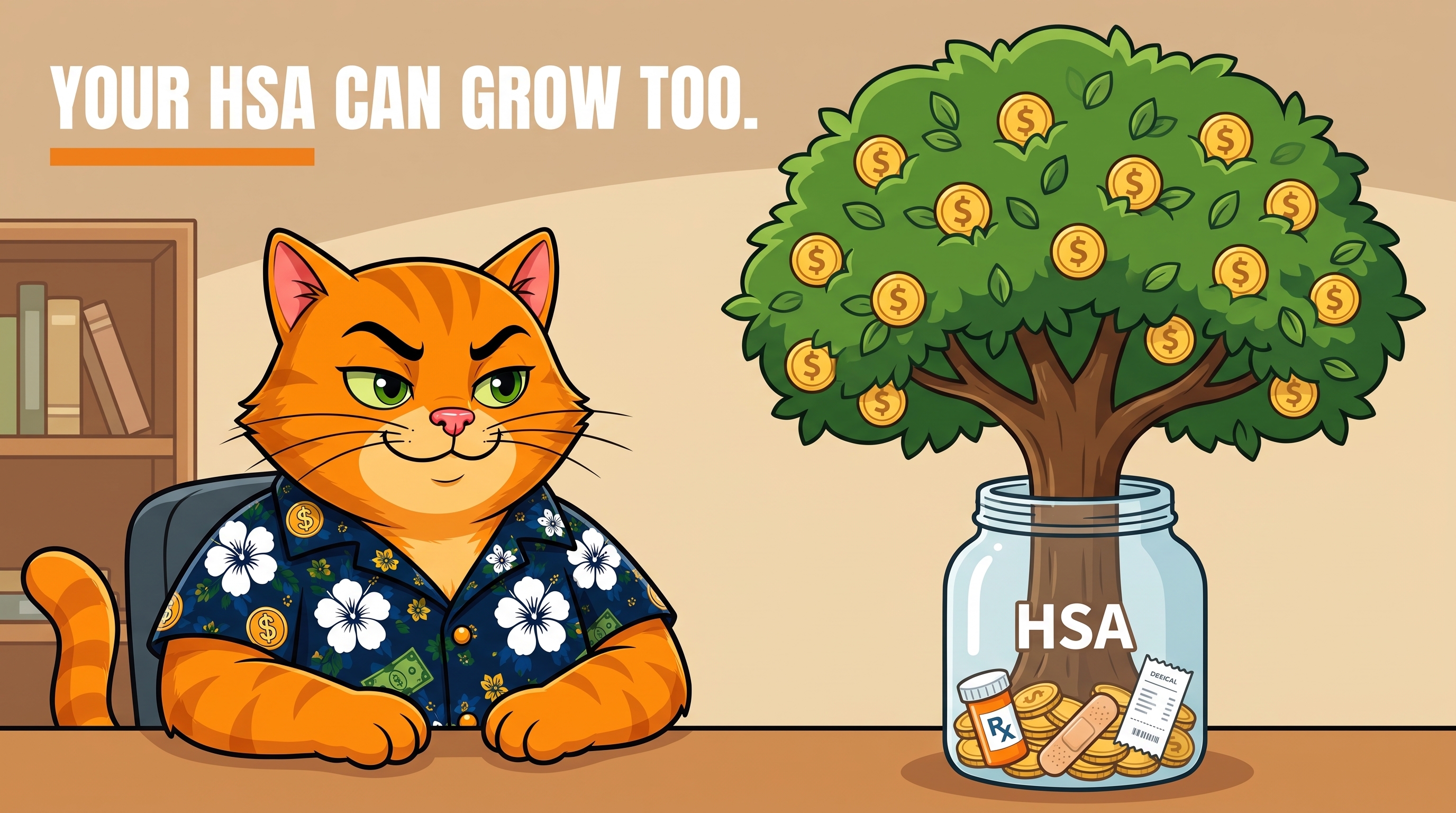
Your HSA Isn't Just for Medical Bills — Here's What It Actually Does
An HSA isn't just a medical expense account — it's triple-tax-advantaged, and can work like a second retirement fund if you stop spending it down.
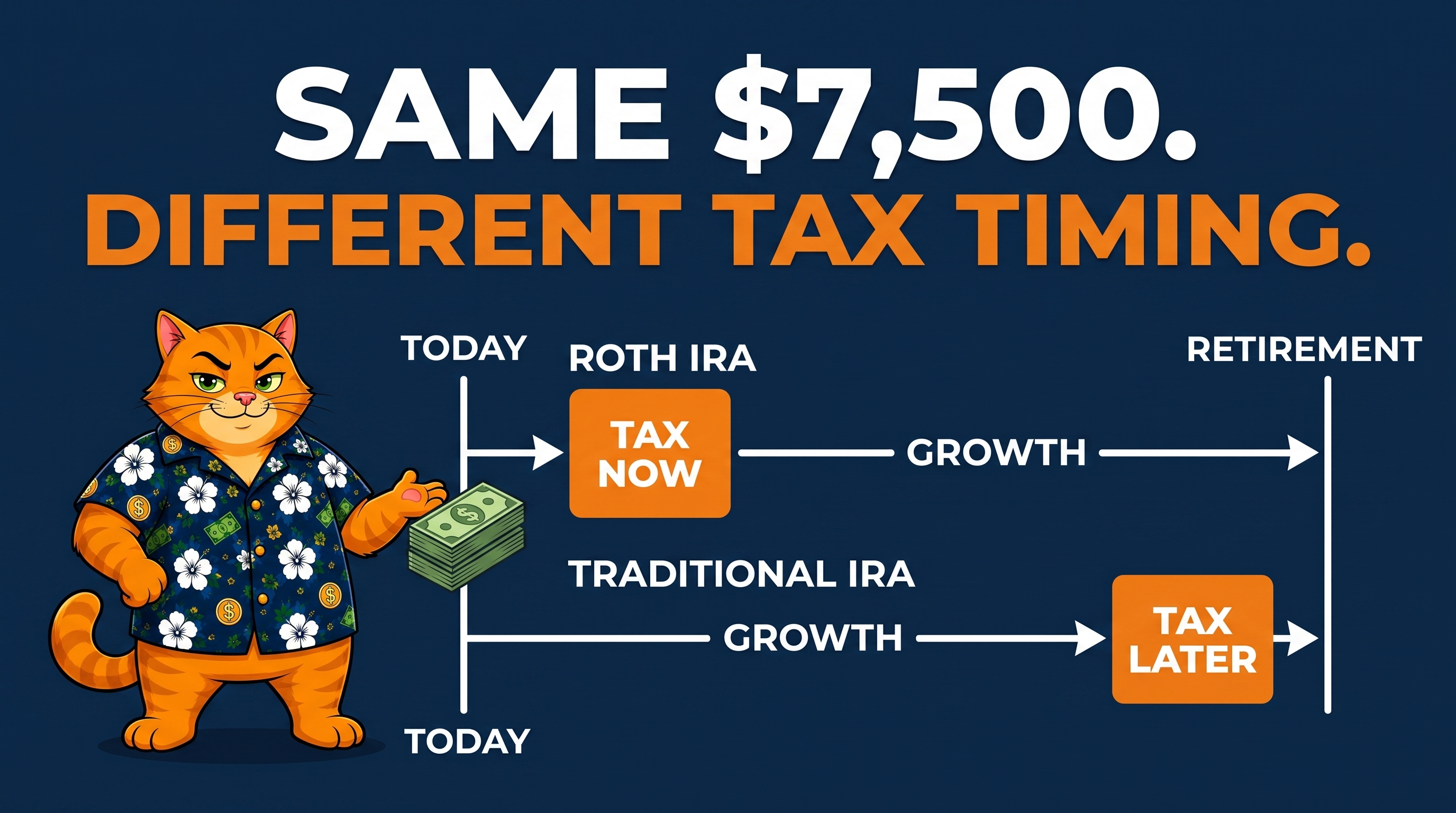
Roth IRA vs. Traditional IRA — Chuck Picks One
Same $7,500, two completely different tax outcomes. Chuck breaks down Roth vs. Traditional IRA using the real 2026 numbers — no coin flip required.
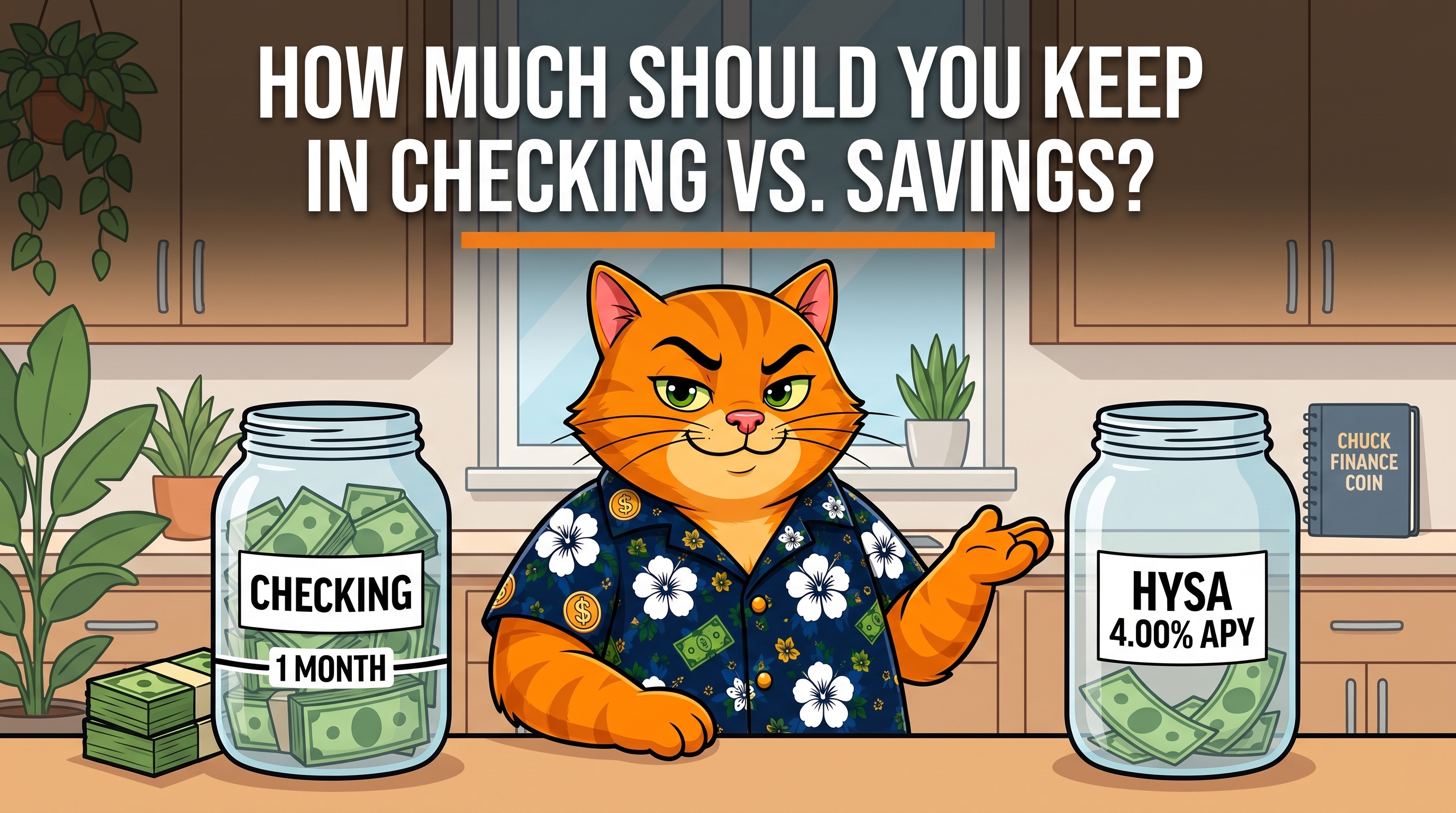
How Much Should You Keep in Checking vs. Savings?
A simple rule for splitting your money between checking and savings — and the real dollar cost of getting the split wrong.
There's No Right Number of Bank Accounts — Here's What Matters Instead
There's no universal right number of bank accounts. There is a wrong way to decide. Here's the actual question worth asking instead.
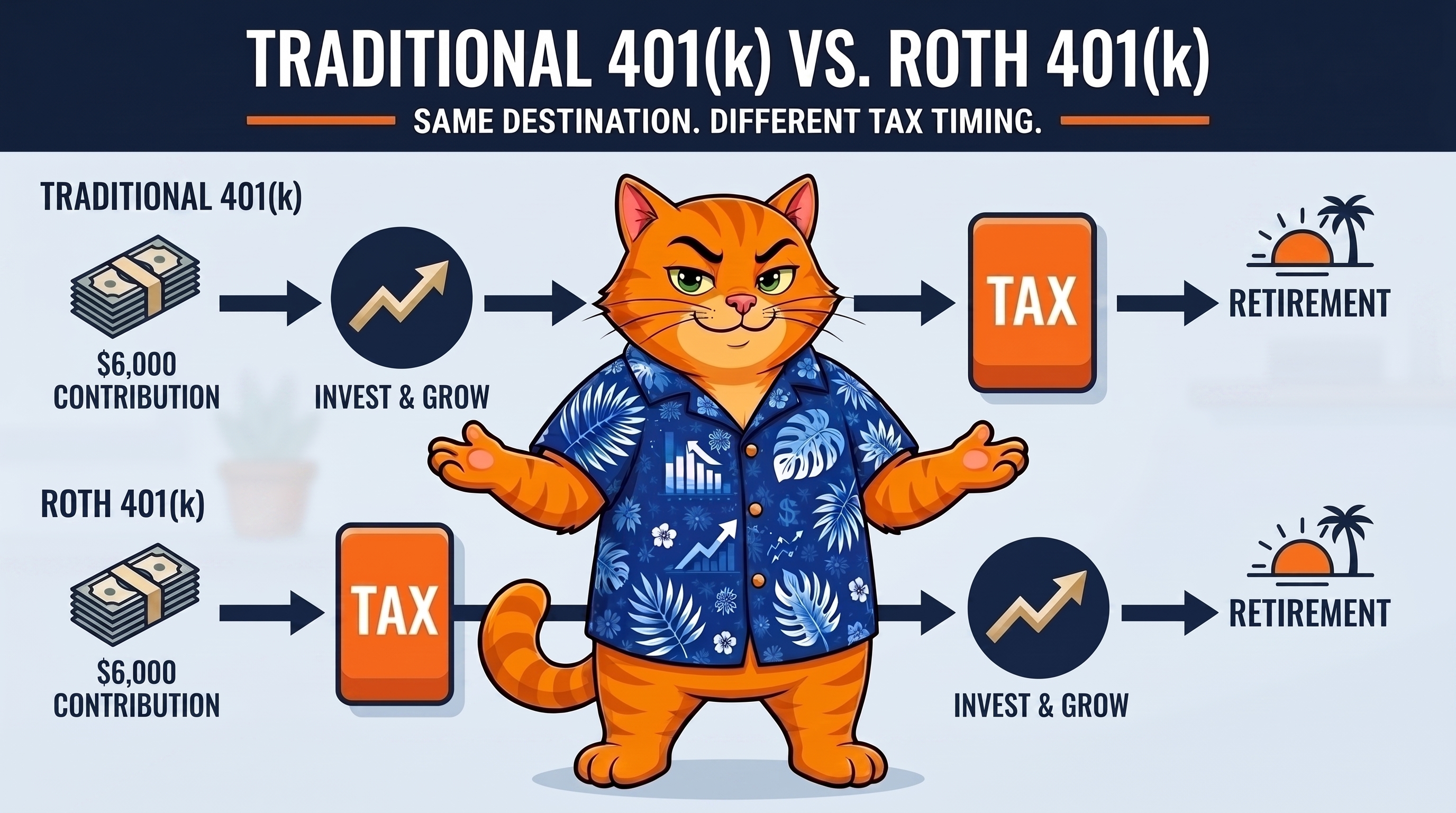
Traditional 401(k) vs. Roth 401(k): What's the Difference?
The core difference between Traditional and Roth 401(k) isn't how much you save — it's when you pay the tax. Here's exactly what that means.
The Right Number of Credit Cards Isn't What You Think
There's no magic number of credit cards to have. There is a wrong way to think about the question — and a much better one.
What Is a Stock, Actually?
A stock is a small piece of ownership in a company. Here's what that means, in one five-year example covering dips, dollar-cost averaging, and capital gains.

Your 401(k) Doesn't Belong to Your Old Job Anymore — Here's What to Do With It
Your old 401(k) doesn't disappear when you leave a job. It also doesn't take care of itself. Here's what actually happens, and the real cost of doing nothing.

The High-APY Online Banks With No Minimum Balance
Chase pays 0.01% APY. Climate First Bank pays 4.01% with no minimum balance. Chuck breaks down the real gap, and the exact fix.

Start Investing With Whatever You Have — Here's How
You don't need a lot of money or a market degree to start investing. Here's the actual first step, how much to start with, and what to buy.
Closing a Credit Card Won't Do What You Think
Closing a credit card can hurt your score, but not for the reason you think. Here's what actually happens, when it's fine anyway, and how to blunt the damage.

You Picked Default in Your 401k (And It's Costing You $369,000)
Your 401k contribution rate and your fund were both picked for you. Chuck breaks down what the default actually costs, and what else is on the menu.
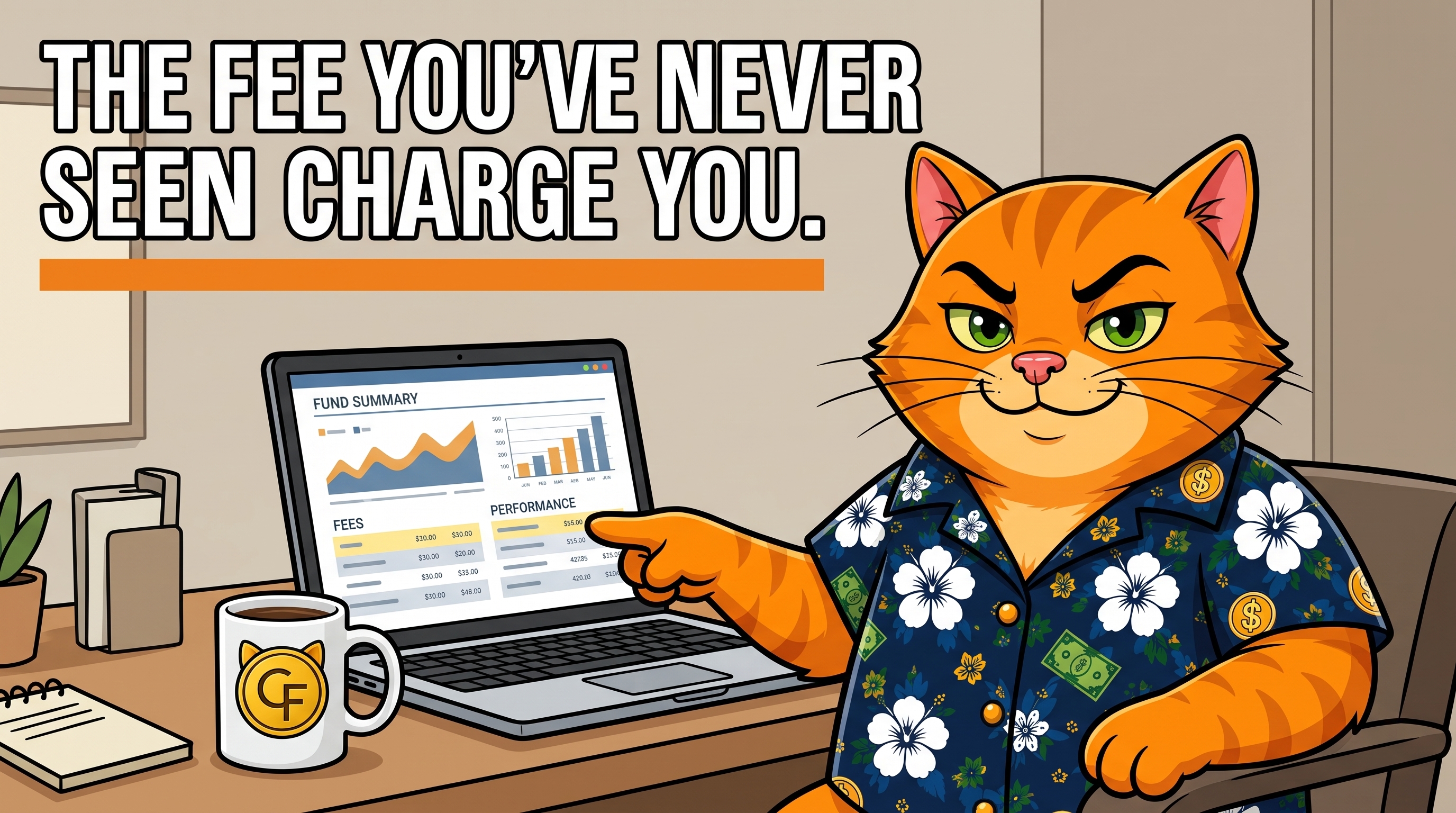
Expense Ratios Explained: The Number That Quietly Eats Your Returns
What an expense ratio actually is, why you've never noticed it charging you, and what it really costs over 10, 20, and 30 years.
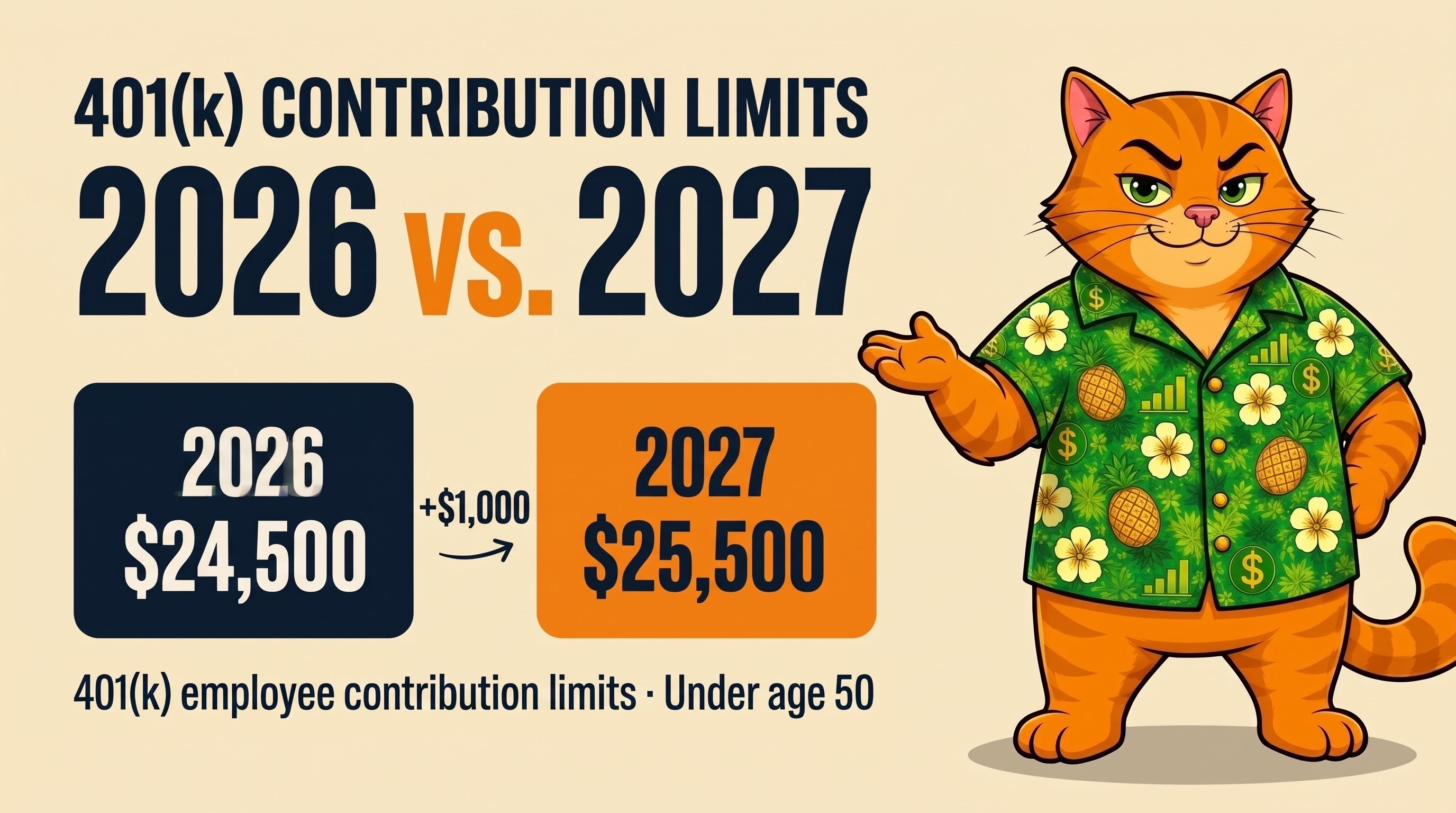
401(k) and IRA Contribution Limits for 2026 and 2027, Explained
See the 2026 and 2027 401(k) and IRA contribution limits by age, including catch-ups, employer matches, Roth rules and paycheck examples.

Is a HYSA Worth It? Your Savings Account Is Losing You Money
Your savings account is paying 0.01% while inflation runs at 3.8%. Here's exactly how much you're losing and how to switch in 10 minutes.

Your 401k Match Is Free Money You're Leaving Behind
In one large study, one in four workers missed their full employer match — not because they're bad with money, but because nobody explained three numbers.

Where to Put Your Emergency Fund (So It Actually Earns Its Keep)
Your emergency fund could be quietly losing you hundreds a year — here's the exact gap, and the 5-minute fix nobody tells you about.

Cash Back vs. Travel Points: The Number That Actually Decides
Cash back or travel points — there's one number that actually settles it. Chuck runs the real math on rewards cards, not the marketing.

Should You Pay Off Debt or Invest First? The Math Decides
Pay off debt or invest first? One number — your interest rate — makes this decision for you. Chuck runs the actual math, then gives you the exact order.

The No Annual Fee Card Is Costing You More
Nearly 1 in 5 Americans pay a credit card annual fee — and most aren't earning it back. Here's how to check if yours actually pays for itself.